
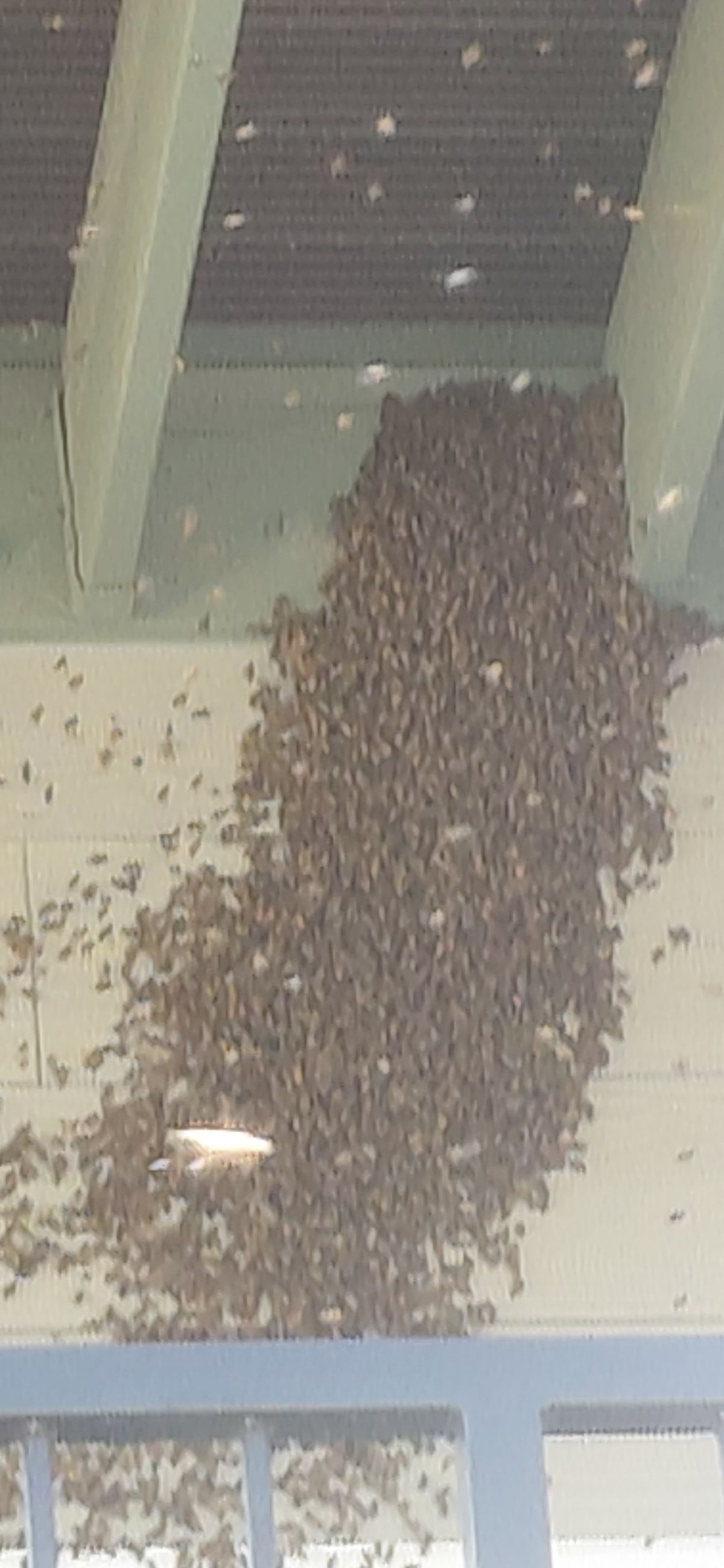
A Beekeeper's Guide to Swarm Season in California
California's Golden Opportunity: Harnessing the Spring Swarm For beekeepers across California, the arrival of spring signals more than just almond blossoms and wildflo...
Read More...May 18, 2026
Home > Blog > End-of-Summer Bee Swarms: What to Expect and How to Help
January 17, 2026

As the final days of summer approach, you might assume the buzzing activity of bees in your garden is winding down. However, late summer can often bring one last surprise: a bee swarm. Though swarming typically occurs in spring, it's not uncommon to witness bees swarming in late August or September. Understanding why these swarms happen and how you can help ensure their safe relocation is crucial, not just for the bees, but for people and ecosystems as well.
Whether you're a homeowner concerned about a sudden swarm in your yard or simply curious about the fascinating behavior of bees, this guide will walk you through what to expect from end-of-summer swarms and how you can assist.
Swarming is a natural and healthy process for honeybee colonies, typically signaling growth and vitality. Although spring is the peak swarming season, certain conditions can trigger bees to swarm later in the year:
Swarming is a critical aspect of honeybee survival. Not only does it allow for the formation of new colonies, but it also helps distribute bees across different environments, enhancing pollination in diverse areas.
When a bee swarm appears, it can be an extraordinary sight—thousands of bees flying together in a coordinated mass. While it might seem intimidating, there’s no need to panic. Here’s what you can expect from a late-summer swarm:
If a bee swarm settles near your home, follow these steps to ensure both your safety and the bees’:
2. Contact a Local Beekeeper: If the swarm remains for more than a few hours or is in a high-traffic area, it’s best to contact a beekeeper for safe removal. Visit beeswarmed.org/report_swarm (opens in a new tab) to report the swarm to local beekeepers who can safely relocate the bees. 3. Avoid Pesticides: Pesticides can harm the bees and the environment. Instead of exterminating the swarm, allow a beekeeper to relocate it safely. 4. Educate Your Neighbors: Let others in your neighborhood know about the importance of calling a beekeeper instead of an exterminator. This helps preserve bee populations and ensures safe removal.
Late-summer swarms are a vital part of the honeybee lifecycle. These swarms are often the last chance for a colony to establish a new home before cooler weather arrives. Bees that successfully settle into a new hive will work hard to store enough honey and prepare for the winter months. This is why it’s so important to help protect and relocate these swarms safely.
Bees are essential pollinators, playing a key role in the growth of fruits, vegetables, and flowers. By ensuring that late-summer swarms are relocated rather than exterminated, you’re directly contributing to the health of your local ecosystem. Every swarm that finds a safe new home helps support the sustainability of bee populations, which are under pressure from habitat loss, pesticides, and disease.
beeswarmed.org is dedicated to making swarm management safe and easy for everyone. If you spot a bee swarm, our platform allows you to quickly report it, and we’ll notify local beekeepers who can relocate the swarm safely. This service not only helps homeowners but also ensures that bees are given a new home where they can continue to thrive.
For beekeepers, beeswarmed.org (opens in a new tab) provides alerts on nearby swarms, helping them grow their apiaries and strengthen their hives. Whether you're a beekeeper looking for new colonies or a concerned homeowner, Swarmed makes it simple to protect and support local honeybee populations.
California's Golden Opportunity: Harnessing the Spring Swarm For beekeepers across California, the arrival of spring signals more than just almond blossoms and wildflo...
Read More...May 18, 2026
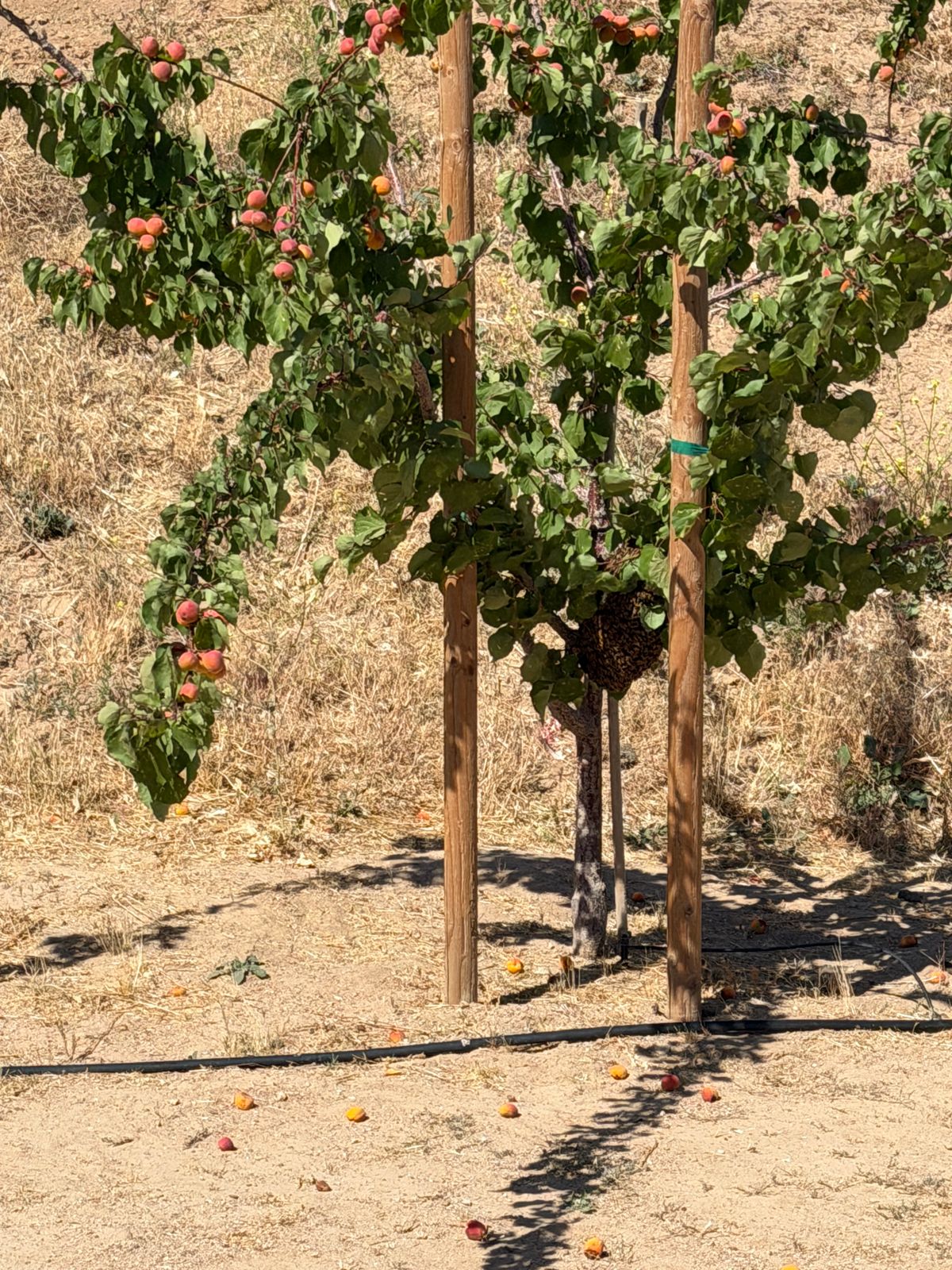
A Beekeeper's Guide to Swarm Collection in Idaho Spring has arrived in the Gem State, and with it, the unmistakable hum of honey bee swarms. For beekeepers, this is a...
Read More...May 18, 2026