
A Beekeeper's Guide to Swarm Season in California
California's Golden Opportunity: Harnessing the Spring Swarm For beekeepers across California, the arrival of spring signals more than just almond blossoms and wildflo...
Read More...May 18, 2026
Home > Blog > Debunking Myths About Bee Swarms | Facts Beekeepers Know
January 17, 2026

Bee swarms are fascinating natural phenomena, but they are often misunderstood. Misconceptions about swarms can lead to unnecessary fear and poor decision-making when encountering them. Let’s debunk some of the most common myths about bee swarms and beekeeping to help you approach these situations with confidence and knowledge.
What Are Bee Swarms?
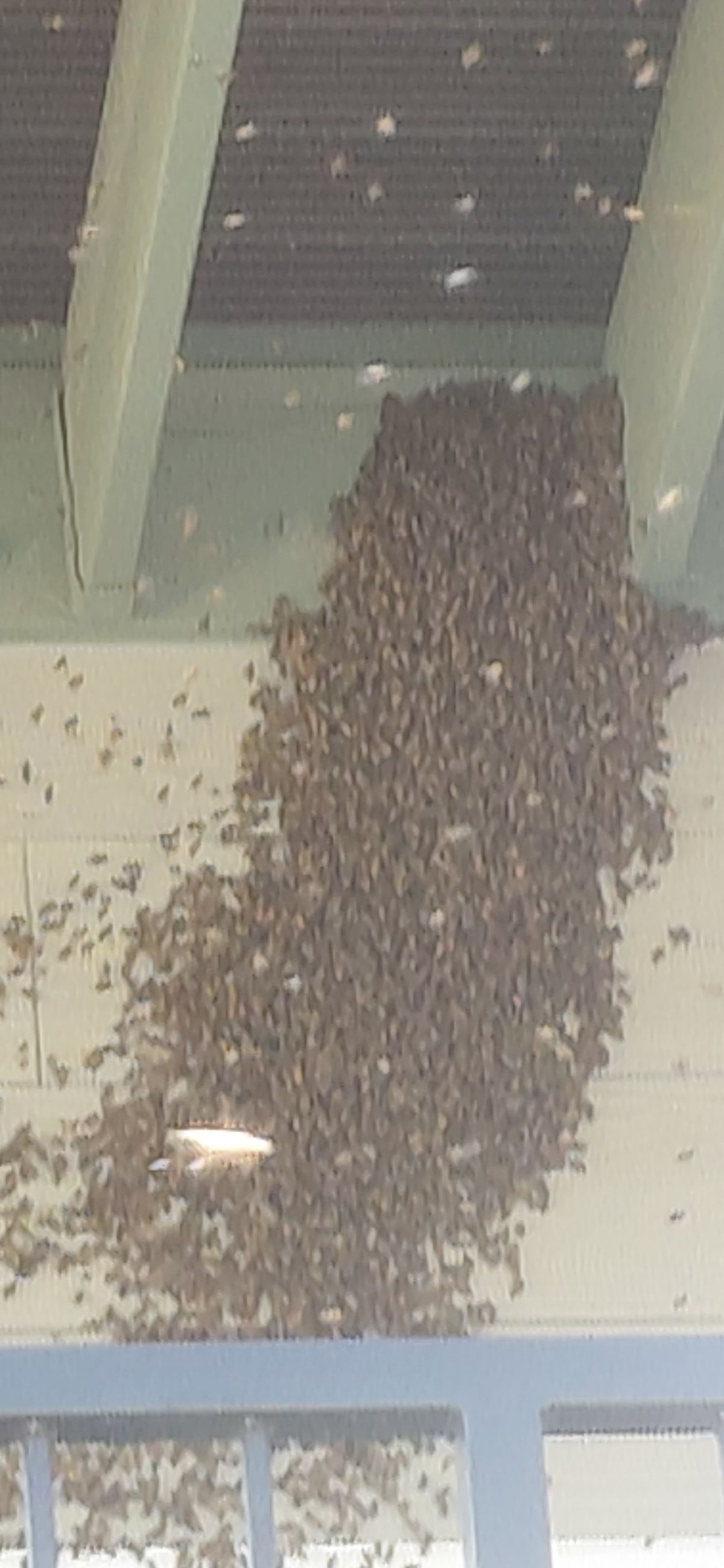
Bee swarms occur when a colony becomes too large, prompting the old queen to leave with about half of the worker bees to establish a new colony. This process is essential for the reproduction and expansion of honey bee populations. Swarms typically happen in the spring and early summer, although they can occur at other times if conditions are right. When bees swarm, they temporarily cluster in a mass, often on tree branches, fences, or buildings, while scout bees search for a new home.
A bee swarm can contain thousands of bees, but despite their intimidating appearance, these swarms are usually not aggressive. The bees in a swarm are focused on finding a new home and have no hive, brood, or food stores to protect, making them less defensive than bees in an established colony.
For more detailed information about bee swarms and their behavior, you can refer to the University of Florida's guide (opens in a new tab) and resources from the American Beekeeping Federation (opens in a new tab).
Myth 1: Bee Swarms Are Dangerous
Reality: Bee swarms are generally docile and not aggressive. During swarming, bees are focused on finding a new home and are less likely to sting since they are not protecting a hive. The Bee Informed Partnership (opens in a new tab) emphasizes that swarming bees are primarily searching for a new location to establish their colony. By staying calm and keeping your distance, you can safely observe a swarm without risk.
Myth 2: Bees Only Swarm in Rural Areas
Reality: Bees can swarm in various environments, including urban and suburban areas. Swarms have been found in backyards, parks, cityscapes, and even on busy streets. The adaptability of bees allows them to establish hives in diverse locations, and swarming is a natural behavior that occurs regardless of the setting. Both the American Beekeeping Federation (opens in a new tab) and the Bee Informed Partnership (opens in a new tab) provide resources on this aspect of bee behavior.
Myth 3: All Swarms Need to Be Removed Immediately
Reality: Not all swarms require immediate removal. If a swarm is in a safe, non-intrusive area, it may move on naturally within a few days. However, if a swarm poses a threat due to its location, such as near schools or playgrounds, contacting a local beekeeper to safely relocate the bees is recommended. The Swarmed platform beeswarmed.org facilitates connections between people who find swarms and local beekeepers, ensuring ethical and safe relocation.
Myth 4: Swarming Only Happens in Warm Climates
Reality: While swarming is more common in warmer months, it can happen in a variety of climates. Bees swarm when their colony outgrows its current hive and conditions are favorable for starting a new colony. This behavior can occur in many different environments. The Bee Informed Partnership (opens in a new tab) and the American Beekeeping Federation (opens in a new tab) offer resources to help manage swarming in different climates.
Myth 5: Bee Swarms Indicate a Diseased Colony
Reality: Swarming is a natural and healthy process for bees to reproduce and establish new colonies. It is not a sign of disease within the bee colony. Healthy colonies often swarm to ensure survival and expansion, rather than due to illness.
Myth 6: Swarming Bees Are Looking to Attack
Reality: Swarming bees are not aggressive and are not looking to attack. They are in a transitional phase, focused on finding a new place to establish their colony. During swarming, bees are often full of honey, making them even less likely to sting.
Understanding the Helps Bees and Beekeepers
By debunking these myths, we can promote a better understanding of bee swarms and encourage safer, more informed interactions between humans and bees. If you encounter a bee swarm it's always best to stay calm, keep your distance, and report it on beeswarmed.org to ensure that the bees are safely relocated by professionals, contributing to the health of local ecosystems and agriculture.
California's Golden Opportunity: Harnessing the Spring Swarm For beekeepers across California, the arrival of spring signals more than just almond blossoms and wildflo...
Read More...May 18, 2026

A Beekeeper's Guide to Swarm Collection in Idaho Spring has arrived in the Gem State, and with it, the unmistakable hum of honey bee swarms. For beekeepers, this is a...
Read More...May 18, 2026