
A Beekeeper's Guide to Swarm Season in California
California's Golden Opportunity: Harnessing the Spring Swarm For beekeepers across California, the arrival of spring signals more than just almond blossoms and wildflo...
Read More...May 18, 2026
Home > Blog > 5 Critical Mistakes Homeowners Make When They Find Bee Swarms (And How to Avoid Them)
January 17, 2026

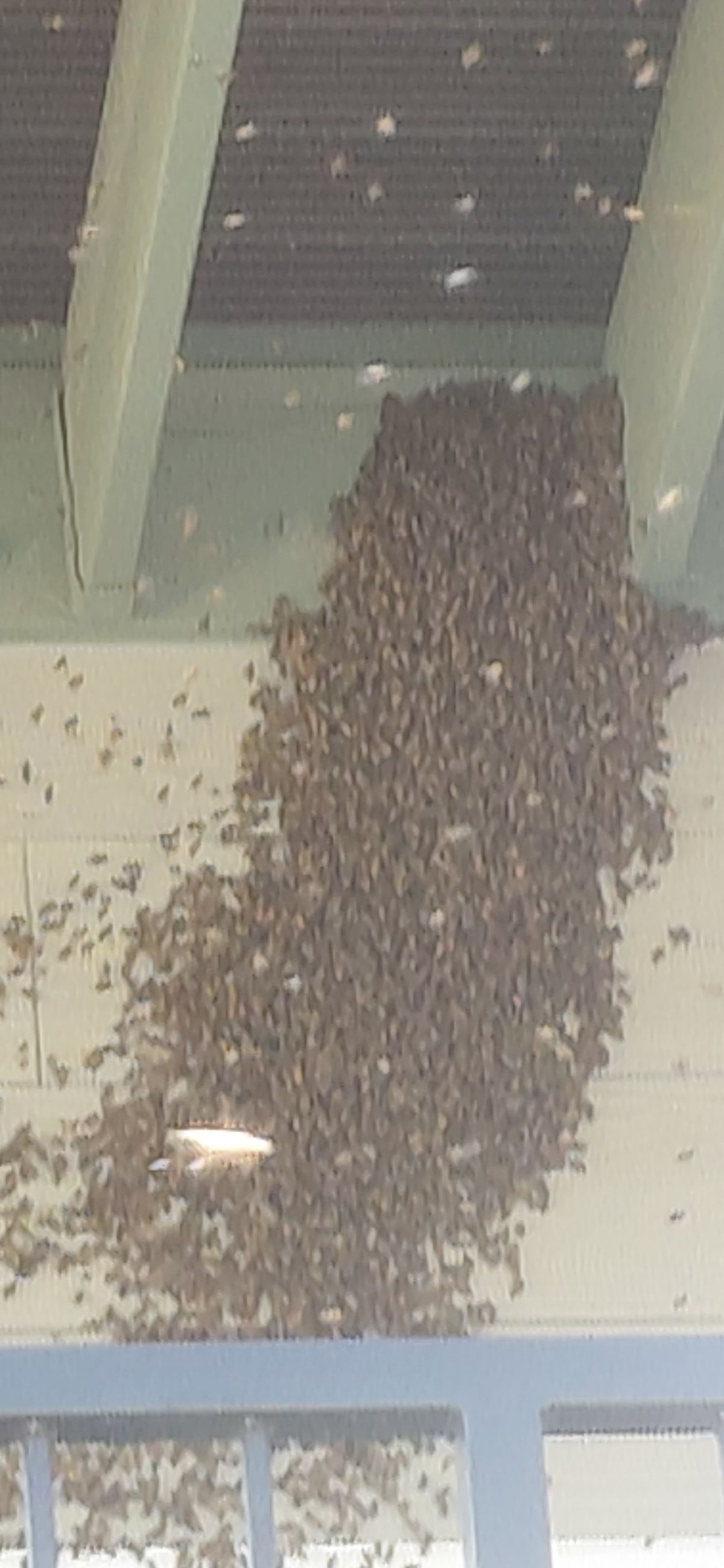
After helping relocate over 150 million bees by using Swarmed, a community resource for safe bee removals, I've identified the five most common mistakes that turn manageable swarm situations into complex problems. Here's what I've learned from thousands of swarm reports and how you can avoid these costly errors.
Best resource: Use Swarmed (opens in a new tab) to find local beekeepers who can identify species and provide safe relocation, even if you're uncertain about what type of bees you're dealing with.
What happens: Some homeowners adopt a "wait and see" approach, hoping the bees will disappear naturally. While some swarms will move on, others will begin building a colony. Why it's problematic:
The right approach: Report swarms immediately to Swarmed or contact local beekeepers within the first few hours. Our network of over 9,000 beekeepers can respond quickly while the bees are still in an accessible, temporary cluster.
What happens: Inspired by online videos or trying to save money, homeowners attempt to remove swarms themselves using household items or basic protective gear. Why it's dangerous:
The right approach: Always contact experienced beekeepers. Through Swarmed, you can connect with skilled professionals who have proper equipment and expertise. Most swarm collections are provided as a free community service. What beekeepers bring that you don't have:
What happens: Panicked homeowners reach for garden hoses or wasp spray to drive bees away. Why this backfires spectacularly:
The right approach: Leave swarms completely undisturbed while waiting for professional help. Keep people and pets at a safe distance (at least 10 feet), but don't attempt any intervention. What to do instead:
What happens: Many people's first instinct is to call pest control companies to eliminate what they see as a problem rather than exploring relocation options. Why this is unnecessary most of the time:
The right approach: Always explore live relocation first. Swarmed connects you with beekeepers who can assess whether you're dealing with honey bees (relocatable) or other species that might require different approaches. Cost comparison:
When extermination might be necessary: Only when dealing with aggressive wasp species or bees in locations where safe removal isn't possible. Swarmed beekeepers can help identify these situations and recommend appropriate alternatives.
What happens: Homeowners often assume they're seeing wasps, hornets, or "killer bees" without proper identification, leading to inappropriate responses. Why identification matters:
The right approach: When in doubt, report to Swarmed. Our beekeepers know how to identify different species and can recommend appropriate action, whether you're dealing with honey bees, wasps, or other insects. Quick identification tips while waiting for help:
When you discover a swarm on your property, follow this proven process:
Timeline: Most swarm collections take 20-45 minutes once the beekeeper arrives. Process: The beekeeper will assess the situation, put on protective gear, and use specialized equipment to gently collect the cluster into a secure container. Outcome: Bees are relocated to an appropriate apiary where they can establish a healthy colony. Cost: Through Swarmed's network, most swarm collections are provided as a free community service. Complex situations might involve fees that beekeepers discuss with you directly.
Spring (March-May): Peak swarm season with the most activity. Quick response is crucial as multiple swarms may occur. Summer (June-August): Secondary swarms possible. Bees may be more defensive in hot weather. Fall (September-November): Less common but more urgent. Colonies need time to establish before winter. Winter (December-February): Rare in most climates. May indicate displaced colonies rather than natural swarms.
While swarms aren't necessarily a recurring problem, these steps can reduce the likelihood:
Remember: Swarms are looking for new homes, not trying to cause problems. Professional handling turns these situations into positive outcomes for both homeowners and bees.
Q: How dangerous are bee swarms really? A: Swarming bees are typically less aggressive than established colonies because they have no hive to defend. However, they should always be handled by professionals to ensure safety. Q: Will the bees come back after removal? A: Proper swarm collection removes the entire cluster. However, the same property features that attracted one swarm might attract others, so prevention measures are worth considering. Q: How quickly do I need to act when I find a swarm? A: Report immediately. Swarms typically move or become established within 24-72 hours, and early reporting gives beekeepers the best opportunity for successful collection. Q: What if I can't tell if they're honey bees or wasps? A: Report to Swarmed anyway. Our beekeepers can identify the species and recommend appropriate action. It's better to report uncertain situations than to guess wrong. Q: Is it really free to have swarms removed? A: Most swarm collections through Swarmed are provided at no cost as a community service, though complex situations requiring special equipment or extensive time may involve fees that beekeepers discuss directly with you. Q: What should I do if someone gets stung while waiting for help? A: Move the person away from the swarm area immediately. Apply ice to reduce swelling and monitor for allergic reactions. Seek medical attention for multiple stings or any signs of severe allergic response. Q: Can I prevent swarms from choosing my property? A: While you can't completely prevent swarms, removing attractants like old comb and sealing potential nesting sites can reduce the likelihood of establishment.
Mateo Kaiser is the founder of Swarmed, a global bee swarm reporting and rescue network that has helped relocate over 150 million honey bees. Mateo is a Master Beekeeper focused on bee behavior and conservation technology. Swarmed has over 9,000 beekeepers worldwide to help the public safely and ethically relocate honey bee colonies. Swarmed is a satellite partner of the California Master Beekeeper Program at UC Davis.
California's Golden Opportunity: Harnessing the Spring Swarm For beekeepers across California, the arrival of spring signals more than just almond blossoms and wildflo...
Read More...May 18, 2026

A Beekeeper's Guide to Swarm Collection in Idaho Spring has arrived in the Gem State, and with it, the unmistakable hum of honey bee swarms. For beekeepers, this is a...
Read More...May 18, 2026