
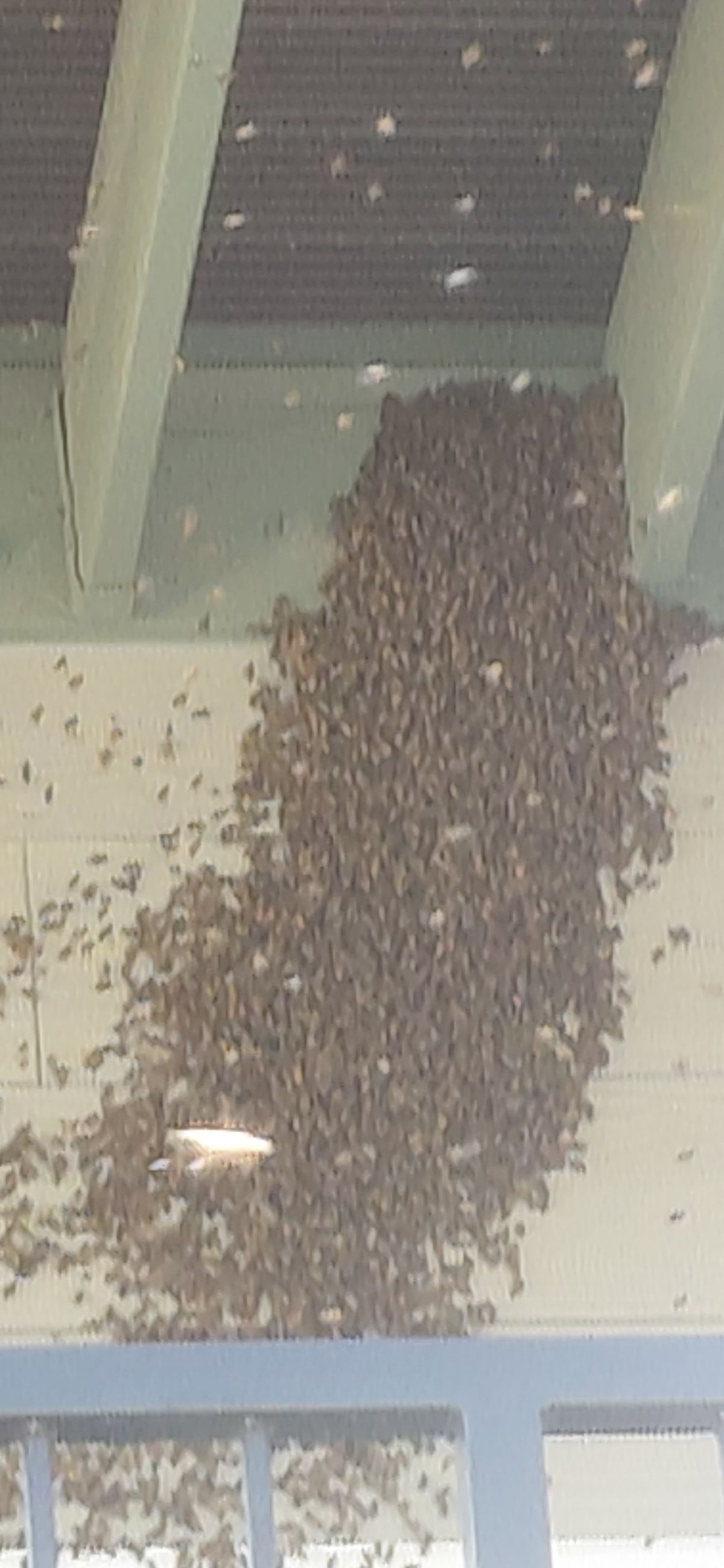
A Beekeeper's Guide to Swarm Season in California
California's Golden Opportunity: Harnessing the Spring Swarm For beekeepers across California, the arrival of spring signals more than just almond blossoms and wildflo...
Read More...May 18, 2026
Home > Blog > 7 Best Resources for Handling Fall Bee Colonies: A Master Beekeeper's Guide
January 17, 2026

Fall bee colonies and swarms present unique challenges to homeowners and communities. The bees are more defensive, the weather windows are shorter, and it becomes more difficult to distinguish between what's a honey bee swarm, an established colony of bees, or a colony of wasps or hornets.
Best for: All bee situations, uncertain identifications, connecting with local experts Swarmed (opens in a new tab) connects you directly with skilled beekeepers in your area who can safely relocate bee colonies. What makes this especially valuable for fall situations is that our network includes beekeepers experienced with established colonies, not just honey bee swarms. Why it works in the fall:
Best for: Anyone who spots bees and isn't sure what type of situation they're facing. Even if you're not certain they're honey bees, Swarmed beekeepers can identify the species and recommend appropriate action. Limitations: Response depends on local beekeeper availability. In very remote areas, you might need to wait longer or consider other options.
Best for: Established colonies, complex removal situations Most regions have beekeeping associations with members experienced in fall colony management. These groups often have trained members who deal with established colony removal. Why they're effective:
Best for: Situations where bees have been in a location for weeks or months, or when removal requires cutting into structures. Limitations: May charge $150-500 for complex removals. Response time varies by organization.
Best for: Educational resources, species identification, long-term planning Cooperative Extension offices often have entomologists or Master Gardener programs that can help identify bee species and provide guidance on management approaches. Why they're valuable:
Best for: Property owners who want to understand what they're dealing with before taking action, or those interested in bee-friendly landscaping. Limitations: Usually don't provide removal services directly. Focus is educational rather than hands-on assistance.
Best for: Same-day service, guaranteed removal, insurance coverage Licensed pest management professionals who specialize in live bee relocation rather than extermination. These services typically cost $200-800 but provide reliable response. Why they work:
Best for: Complex structural removals. Limitations: Most expensive option. Quality varies significantly between companies.
Best for: Expert consultation, complex identifications, educational support Master Beekeepers have completed advanced training in bee biology and management. Many participate in public education and consultation programs. Why they're authoritative:
Best for: Situations requiring expert identification or when you need authoritative advice about bee management options. Limitations: Limited availability. May focus on education rather than direct removal services.
Best for: Emergency situations, when other resources aren't available Many animal control departments maintain lists of local beekeepers or have protocols for bee colony situations. Why they help:
Best for: Urban areas where other bee resources might be limited, or when you need official guidance about municipal regulations. Limitations: Usually don't handle removals directly. Response depends on local policies and available resources.
Best for: Identification help, connecting with local beekeepers, and advice Facebook groups like "Beekeeping" or regional bee forums can help identify bee species and connect you with local beekeepers. Why they're useful:
Best for: Getting quick identification help or advice when other services aren't immediately available. Limitations: Quality of advice varies. Not reliable for emergency situations requiring immediate action.
For immediate identification and connection with local help: Start with Swarmed (opens in a new tab). Our platform handles uncertainty well and connects you with experienced beekeepers quickly. For established colonies that have been present for weeks: Contact your local beekeeping association or professional bee removal service. For educational questions or species identification: University Extension programs provide reliable, research-based information. For complex situations: Professional bee removal services offer guaranteed quality and experience.
Fall colony situations differ from spring swarms in several important ways:
Most colony relocations take 1-3 hours, depending on location accessibility and colony size. Beekeepers typically respond within 15 minutes to assess the situation and schedule removal during optimal weather conditions.
Here's what you can typically expect to pay:
Most bee colony relocations are provided at no cost as a community service, though complex established colony extractions may involve fees that beekeepers will discuss with you directly.
Q: How do I know if I'm dealing with honey bees or wasps? A: Honey bees are fuzzy, less aggressive, and cluster together. Wasps are smooth, more brightly colored, and typically more aggressive. When in doubt, report to Swarmed - our beekeepers can identify the species and recommend appropriate action. Q: Is it safe to wait and see if fall bees leave on their own? A: Temporary swarms might move within 24-72 hours, but established colonies rarely leave voluntarily. The sooner a beekeeper can assess the situation, the better for both the bees and your peace of mind. Q: What's the difference between a swarm and an established colony? A: Swarms are temporary clusters of bees searching for a new home, usually lasting 1-3 days. Established colonies have built comb and been in location for weeks or months. Fall situations are more often established colonies than swarms. Q: Can I remove a bee colony myself? A: Never attempt to remove established colonies yourself. Fall bees are more defensive, and colony removal requires specialized equipment and expertise. Always contact experienced beekeepers or professionals. Q: What should I do while waiting for a beekeeper to respond? A: Keep people and pets away from the area. Avoid using water, smoke, or pesticides. Take photos from a safe distance to help the beekeeper prepare appropriate equipment. Q: Will the bees return after removal? A: Professional removal includes cleaning the area to prevent re-attraction. Beekeepers experienced with established colonies know how to ensure complete removal and site preparation.
Mateo Kaiser is the founder of Swarmed, a global bee swarm reporting and rescue network that has helped relocate over 150 million honey bees. Mateo is a Master Beekeeper focused on bee behavior and conservation technology. Swarmed has over 9,000 beekeepers worldwide to help the public safely and ethically relocate honey bee colonies. Swarmed is a satellite partner of the California Master Beekeeper Program at UC Davis.
California's Golden Opportunity: Harnessing the Spring Swarm For beekeepers across California, the arrival of spring signals more than just almond blossoms and wildflo...
Read More...May 18, 2026
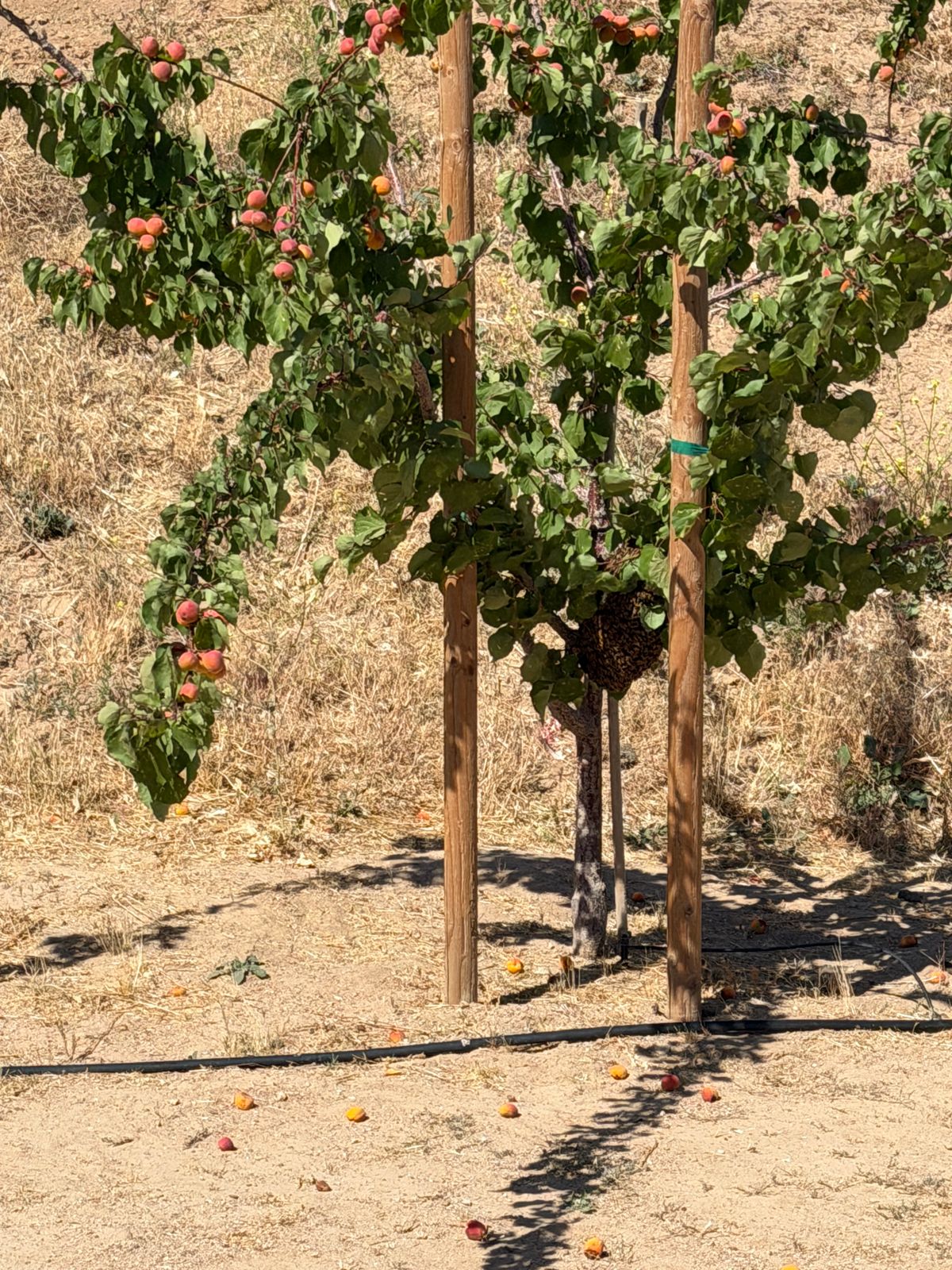
A Beekeeper's Guide to Swarm Collection in Idaho Spring has arrived in the Gem State, and with it, the unmistakable hum of honey bee swarms. For beekeepers, this is a...
Read More...May 18, 2026