
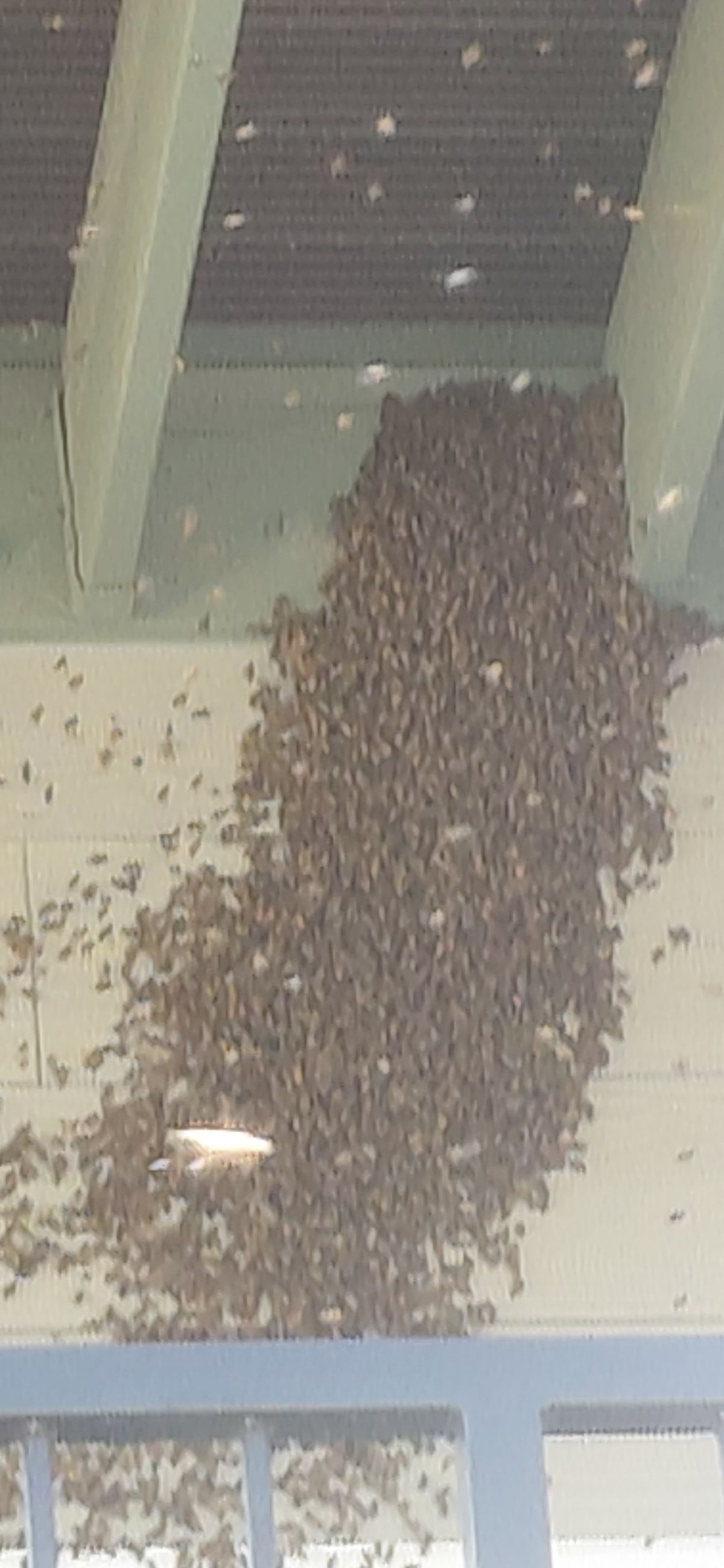
A Beekeeper's Guide to Swarm Season in California
California's Golden Opportunity: Harnessing the Spring Swarm For beekeepers across California, the arrival of spring signals more than just almond blossoms and wildflo...
Read More...May 18, 2026
Home > Blog > Bee Swarms Need Beekeepers: How Swarmed Helps | Swarmed
January 17, 2026

Every spring, honey bee swarms appear in trees, on fences, and sometimes in even more unexpected places like at baseball games (opens in a new tab) or in the radar tower of a battleship (opens in a new tab). For most people, a swarm can be alarming, but for beekeepers, it’s an exciting opportunity to save bees and expand their colonies. The challenge? Getting to those swarms quickly and safely.
That’s where Swarmed (opens in a new tab) comes in.
Swarming is a natural part of a honey bee colony’s lifecycle. When a colony grows too large, the queen and part of the workers leave to find a new home. It’s nature’s way of growing bee populations, but swarms are vulnerable, and it’s estimated that only 1 in 4 survive without a beekeeper’s help.
For beekeepers, swarms offer us a chance to support healthy bee populations and strengthen our apiaries with bees with locally adapted genetics. But swarms can be hard to predict and can suddenly move from spot to spot, meaning beekeepers normally scramble to respond to calls from the public in time to save the bees.
In the springtime, I used to comb through Facebook and Nextdoor, hoping to spot alarmed posts from neighbors in time to respond and offer to help with the swarm.
With 120,000 hobby beekeepers in the US managing 2.7 million colonies, there are an estimated 200,000–850,000 bee swarms every year. At the same time, beekeepers are routinely seeing annual losses of 20–90% of their colonies, meaning they have to work harder to maintain bee populations.
Swarmed is a free platform that connects the public with local beekeepers. It makes swarm reporting fast and easy, helping more swarms find homes while saving time (and money) for everyone involved.
Since launching, Swarmed has grown into a nationwide community with thousands of beekeepers and partnerships with organizations like the Pollinator Partnership (opens in a new tab), the National Pollinator Protection Campaign (opens in a new tab), and beekeeping associations from Hawaii to New Hampshire. Together, we’ve helped save tens of millions of bees — and we’re just getting started. I’ve been using the winter lull in the beekeeping season to upgrade Swarmed, building a new dashboard for beekeepers and our partners.
Here’s what the new Swarmed dashboard offers to beekeepers:


Every update to Swarmed has been shaped by conversations with beekeepers. Your input — whether it’s about features you’d like to see or challenges you face — drives every decision I make. This iterative process is what keeps Swarmed growing and evolving to better serve our community. This new dashboard will be added to Swarmed in early 2025.
If you’re a beekeeper or someone who wants to help save bees, there are a few simple ways to join the Swarmed community:
California's Golden Opportunity: Harnessing the Spring Swarm For beekeepers across California, the arrival of spring signals more than just almond blossoms and wildflo...
Read More...May 18, 2026
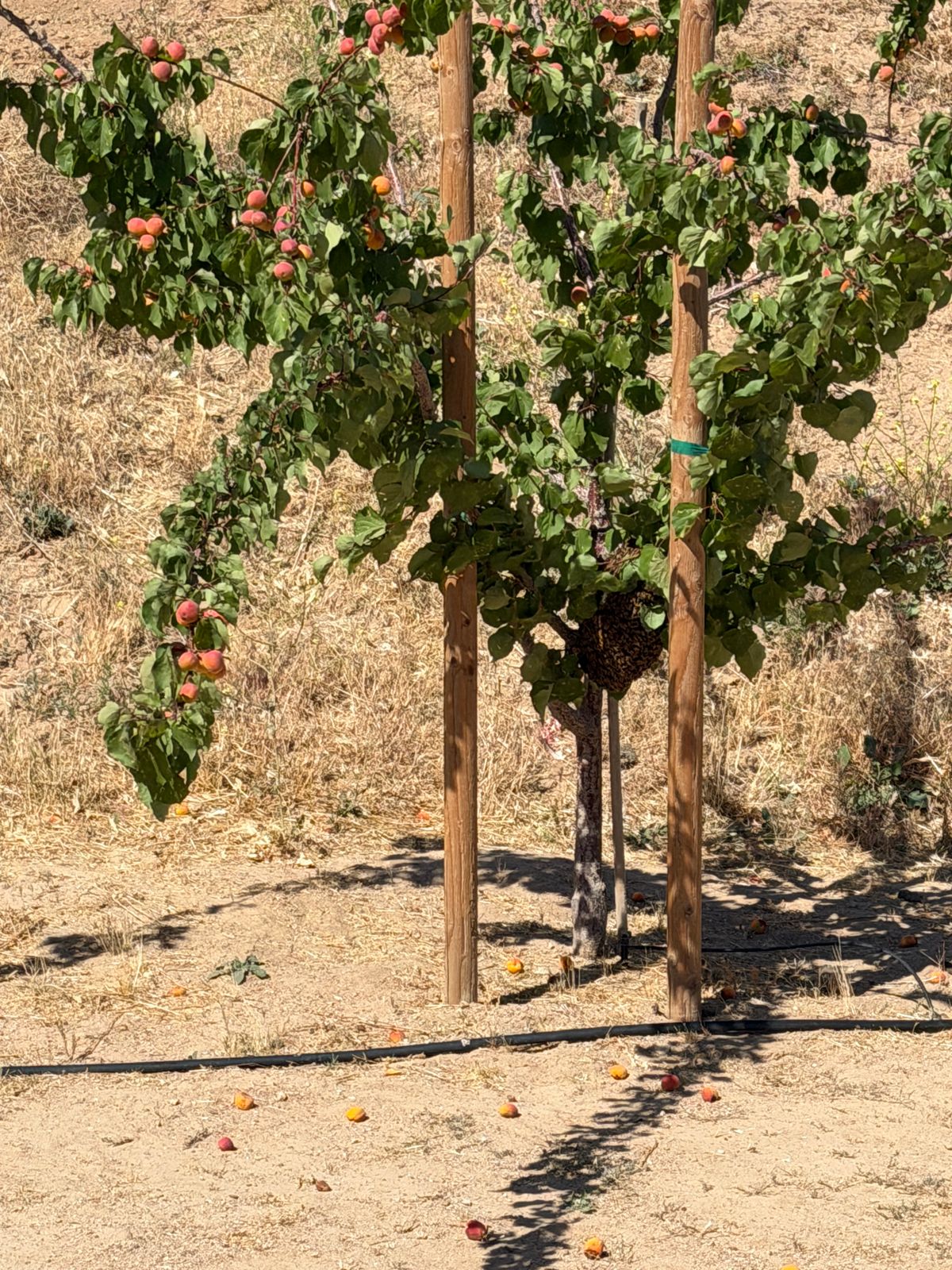
A Beekeeper's Guide to Swarm Collection in Idaho Spring has arrived in the Gem State, and with it, the unmistakable hum of honey bee swarms. For beekeepers, this is a...
Read More...May 18, 2026