
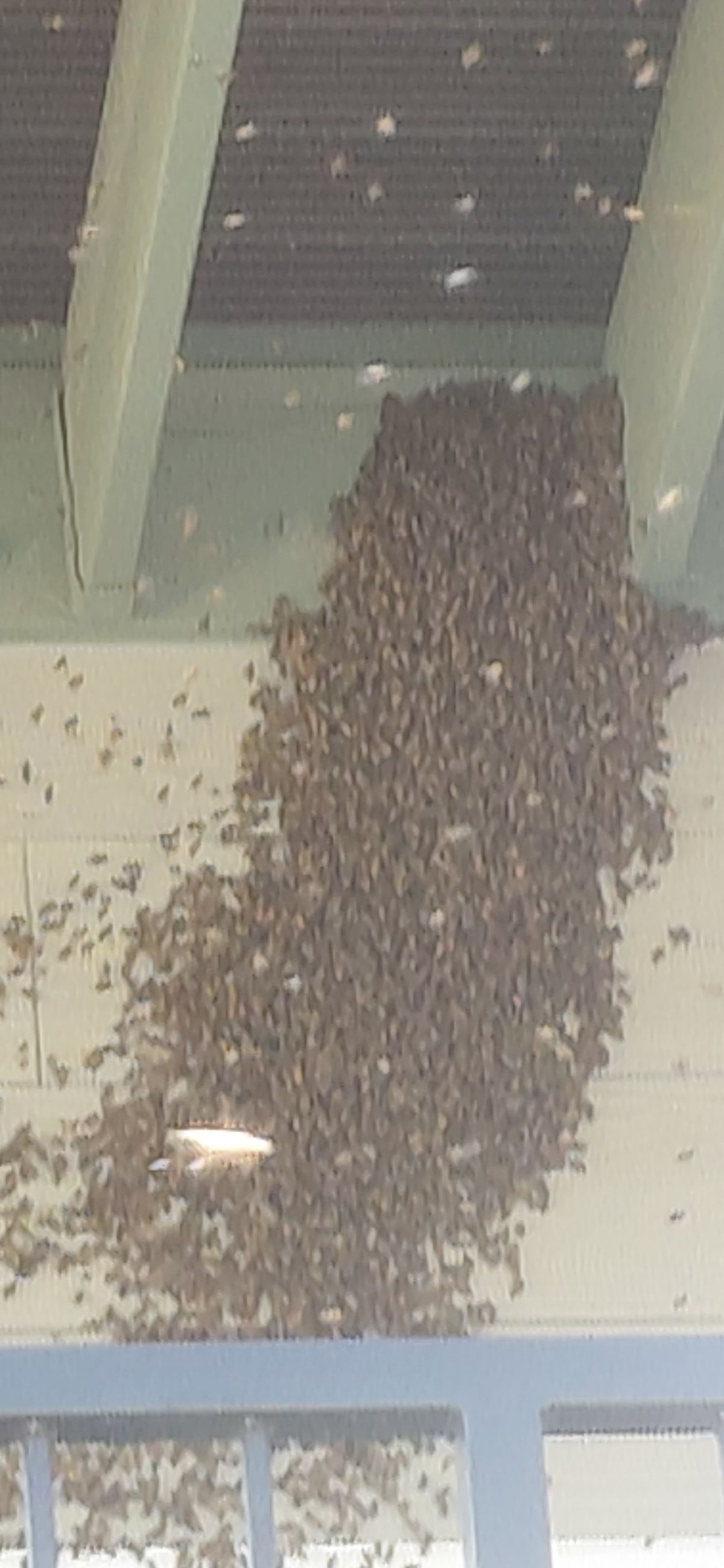
A Beekeeper's Guide to Swarm Season in California
California's Golden Opportunity: Harnessing the Spring Swarm For beekeepers across California, the arrival of spring signals more than just almond blossoms and wildflo...
Read More...May 18, 2026
Home > Blog > Bee Swarm on Your Property? What to Do in January 2026
January 17, 2026
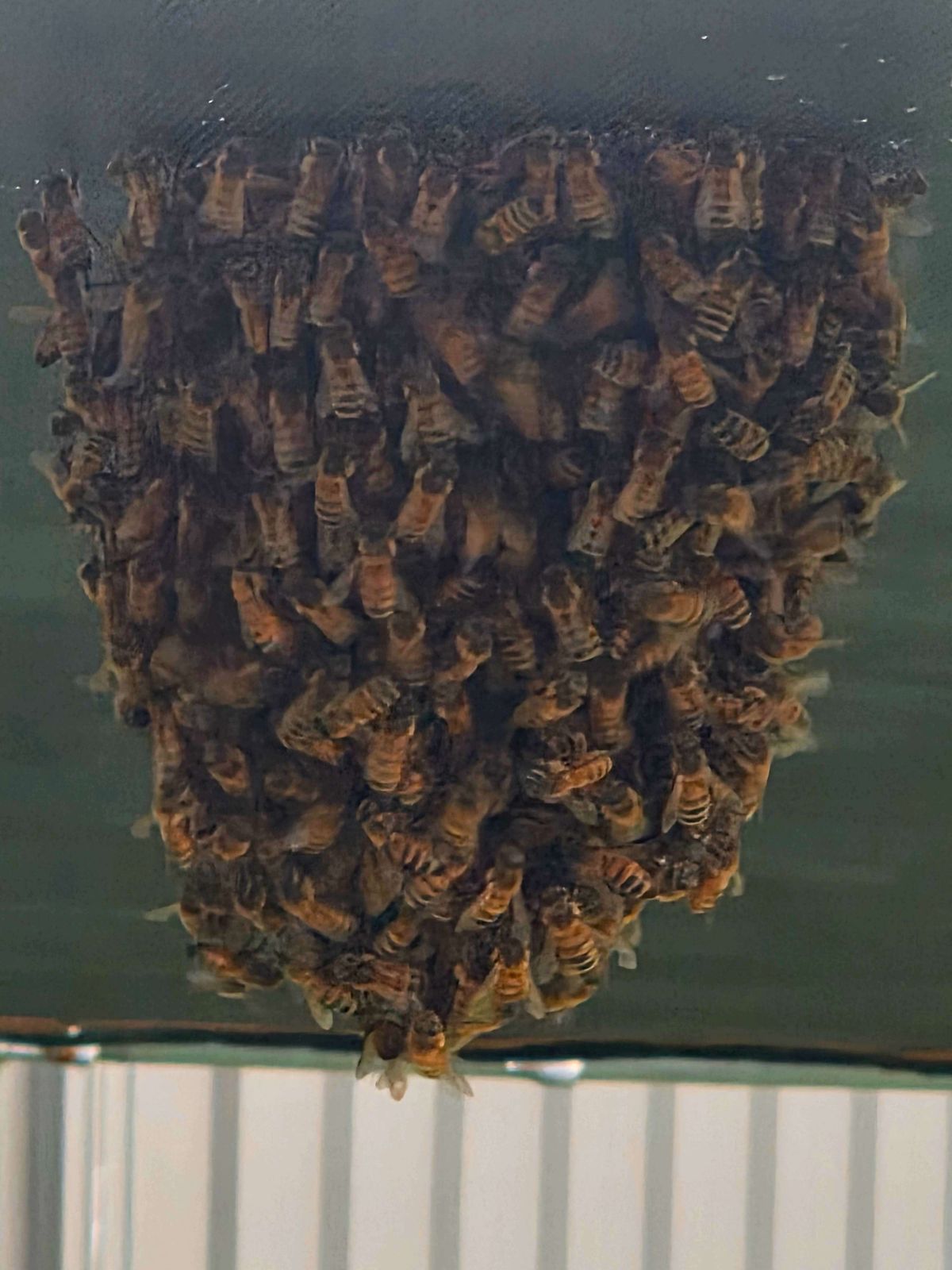
Finding a cluster of bees on your property can be surprising, especially in January.
A bee swarm is a natural event where a honey bee colony splits, with the old queen and a large group of worker bees (typically 10,000-30,000) leaving the original hive to find a new home. These swarms are usually temporary, lasting anywhere from a few hours to a couple of days. The bees will cluster together, often on a tree branch or bush, while scout bees search for a suitable new nesting site.
Swarmed connects you with local beekeepers who are ready to rescue the swarm. A beekeeper will contact you, assess the situation, and safely relocate the bees to a new hive. It's a win-win for everyone: you, the bees, and the beekeeper!
Not sure if it's a swarm of honey bees, wasps, or something else? Report it anyway! Swarmed's AI-powered system helps identify the insects and ensures the appropriate assistance is provided, even if it's not honey bees.
It's important to distinguish between a swarm and an established hive. If the bees have already moved into a structure like a wall or shed and built comb, it's considered an established hive and requires a different approach. Established hive removals (cutouts) usually involve a fee because of the labor and expertise required.
See a cluster of bees? Report swarms to help bees and your community!
California's Golden Opportunity: Harnessing the Spring Swarm For beekeepers across California, the arrival of spring signals more than just almond blossoms and wildflo...
Read More...May 18, 2026
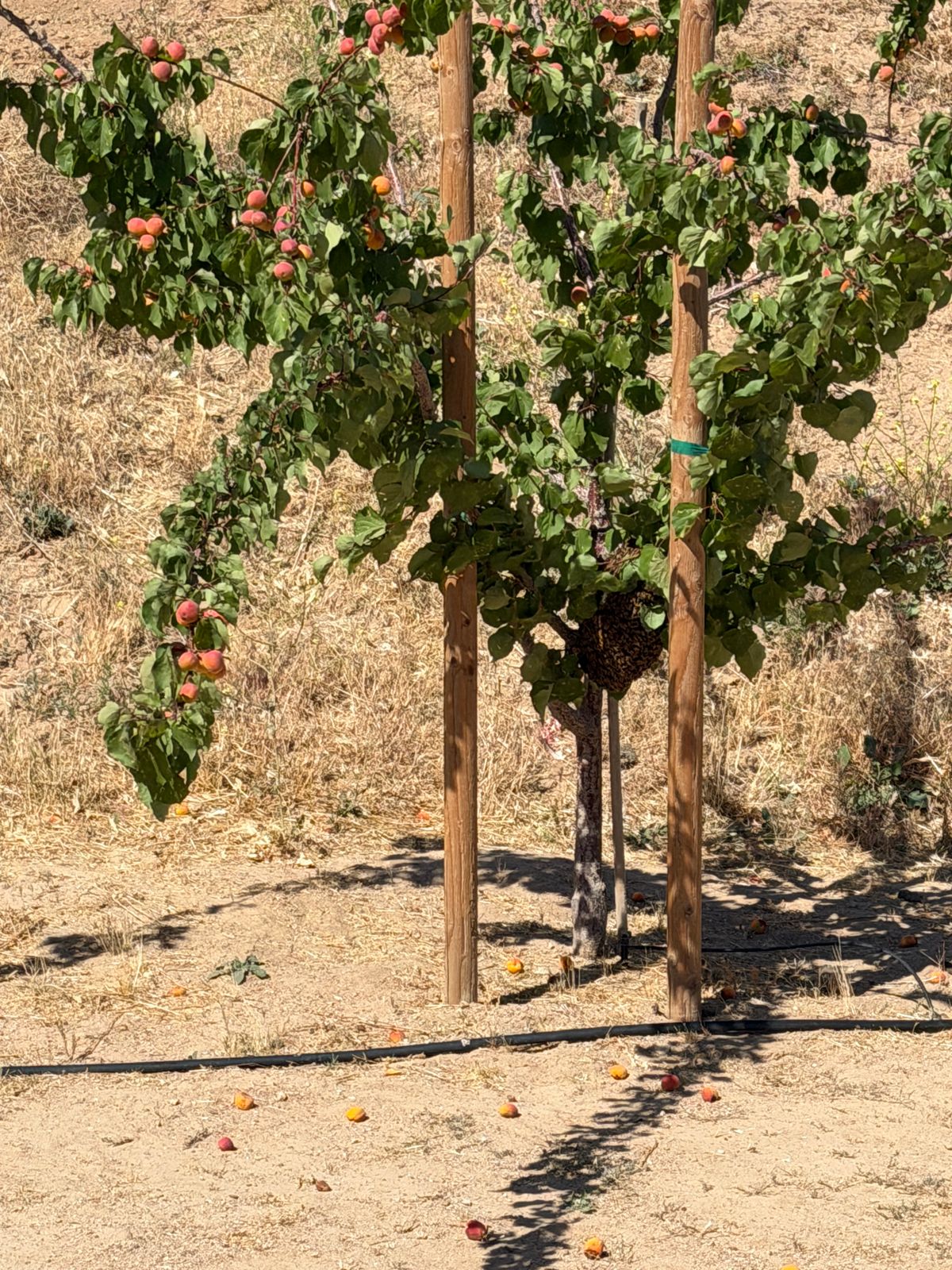
A Beekeeper's Guide to Swarm Collection in Idaho Spring has arrived in the Gem State, and with it, the unmistakable hum of honey bee swarms. For beekeepers, this is a...
Read More...May 18, 2026