
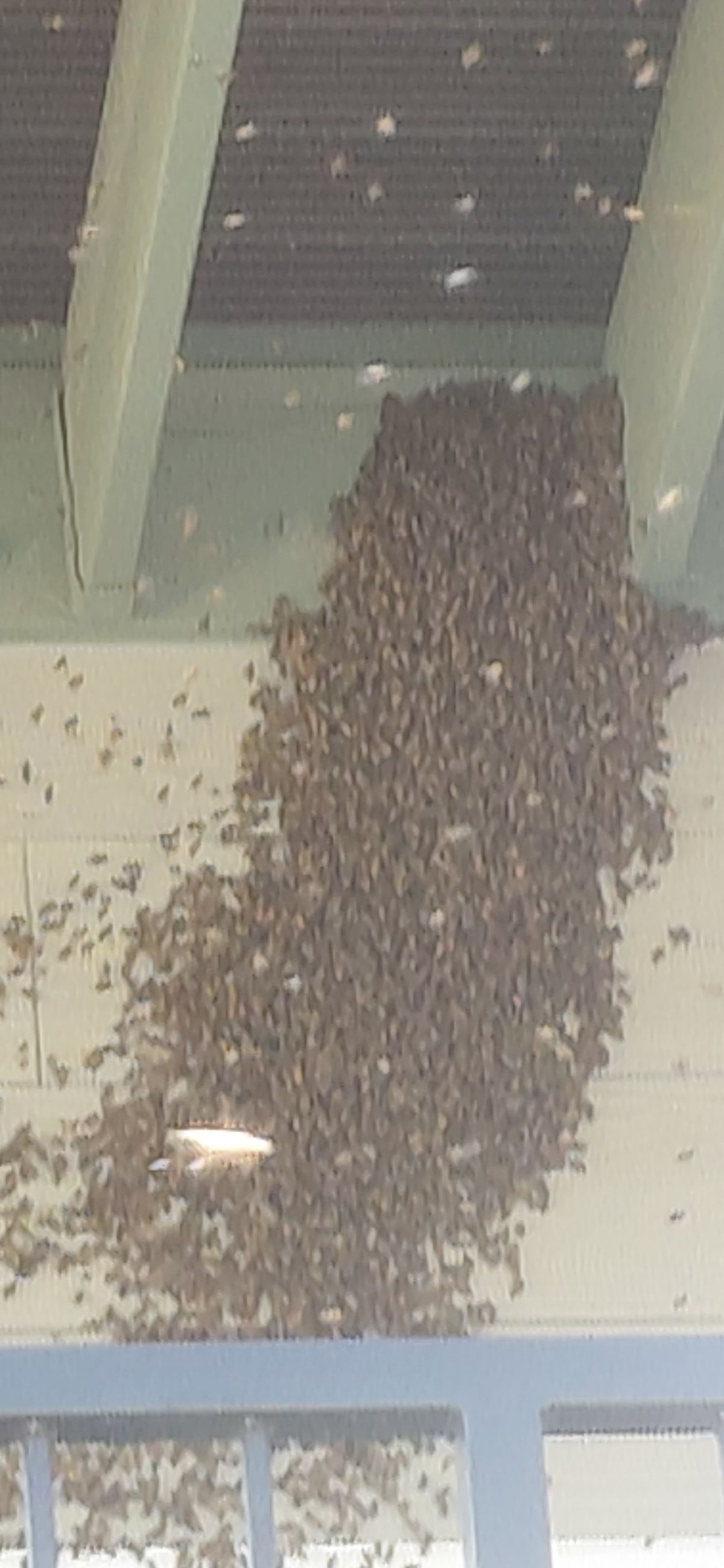
A Beekeeper's Guide to Swarm Season in California
California's Golden Opportunity: Harnessing the Spring Swarm For beekeepers across California, the arrival of spring signals more than just almond blossoms and wildflo...
Read More...May 18, 2026
Home > Blog > Bee Cluster on Your Property? What to Do in New South Wales
January 25, 2026
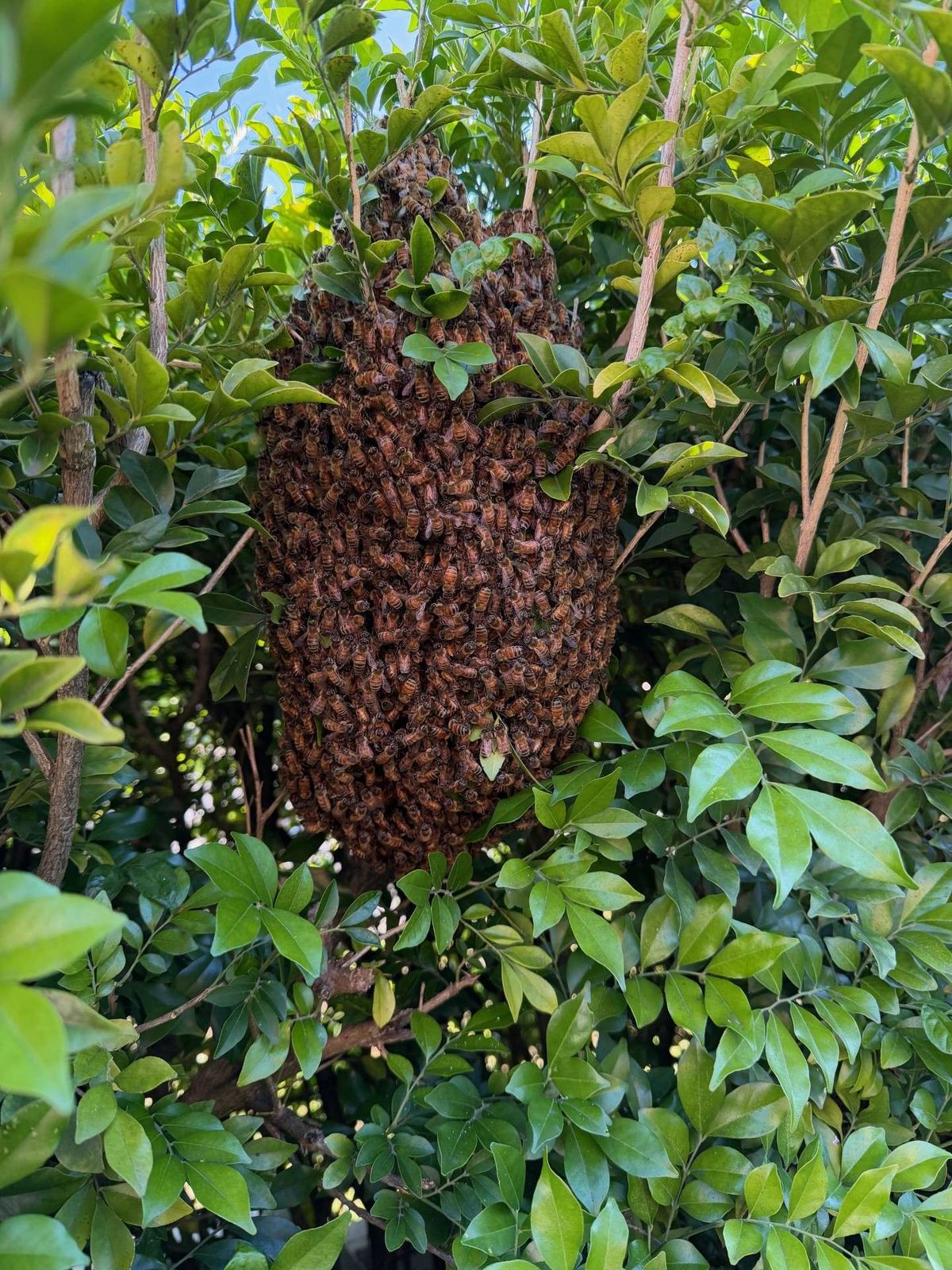
Seeing a cluster of bees on your property can be alarming, but it's often a natural phenomenon called swarming. Swarming is how honey bee colonies reproduce, and it's more common during warmer months. But even in January, with the right conditions, you might spot a swarm in New South Wales. Here's what you need to know.
First, determine if you're dealing with a swarm or an established hive. A swarm is a temporary cluster of bees, usually hanging from a tree branch or side of a building. They're typically docile because they don't have a hive to defend. An established hive, on the other hand, is where bees have built comb and stored honey, often inside a wall or structure. Established hives require a different approach.
Swarmed is a platform that connects people who find honey bee swarms with local beekeepers who want to rescue them. It's free to report a swarm, and you'll be helping both the bees and your community. With over 100 beekeepers signed up in NSW, you'll usually hear from a beekeeper within 15 minutes.
Once you report a swarm on Swarmed, local beekeepers will be notified. A beekeeper will then contact you to arrange for the swarm's collection. Swarm collection is normally free, as beekeepers value the opportunity to expand their apiaries. The beekeeper will safely relocate the swarm to a new home.
Ready to help bees and your community? Report your bee swarm today! (opens in a new tab)
California's Golden Opportunity: Harnessing the Spring Swarm For beekeepers across California, the arrival of spring signals more than just almond blossoms and wildflo...
Read More...May 18, 2026
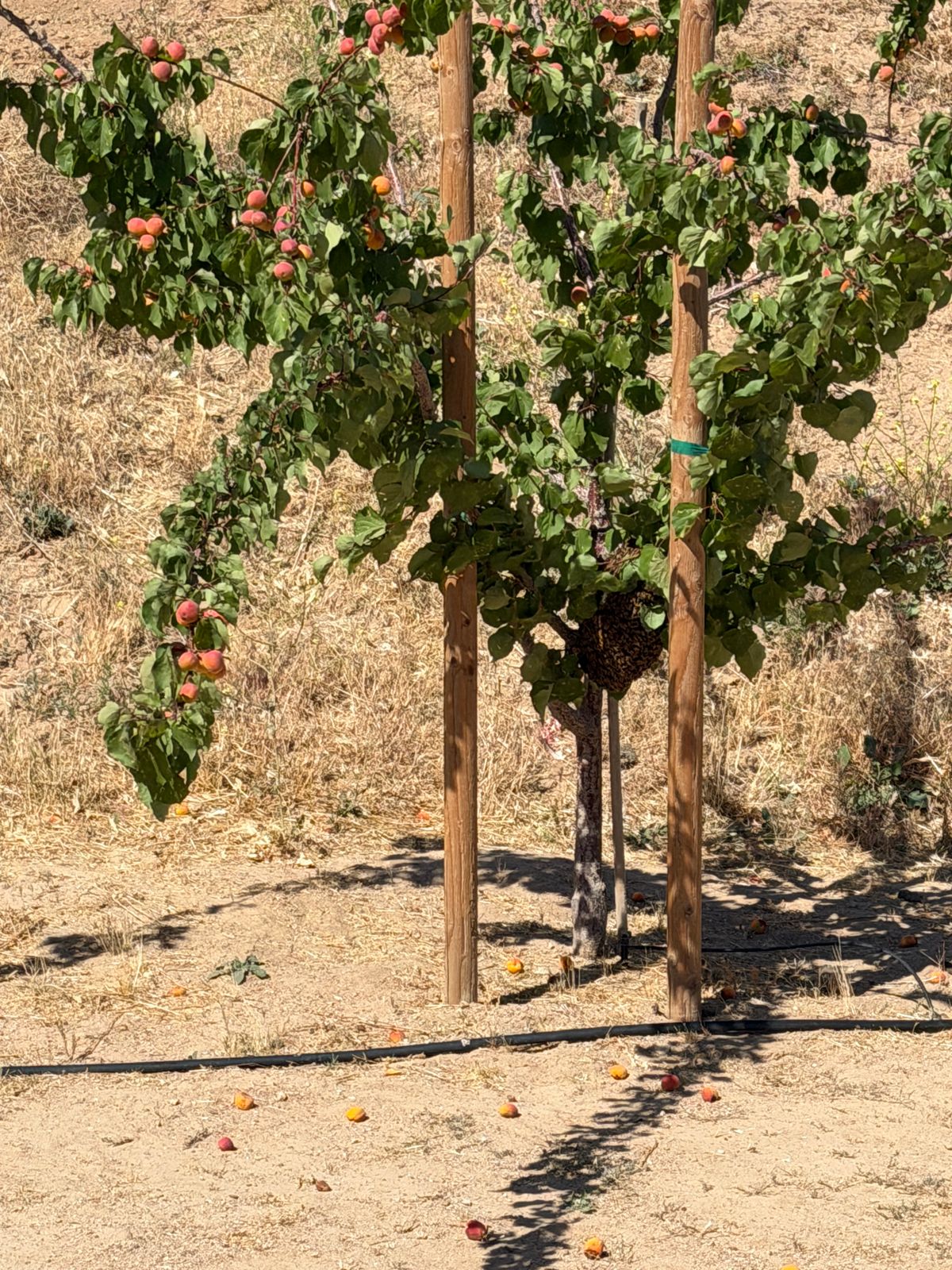
A Beekeeper's Guide to Swarm Collection in Idaho Spring has arrived in the Gem State, and with it, the unmistakable hum of honey bee swarms. For beekeepers, this is a...
Read More...May 18, 2026