
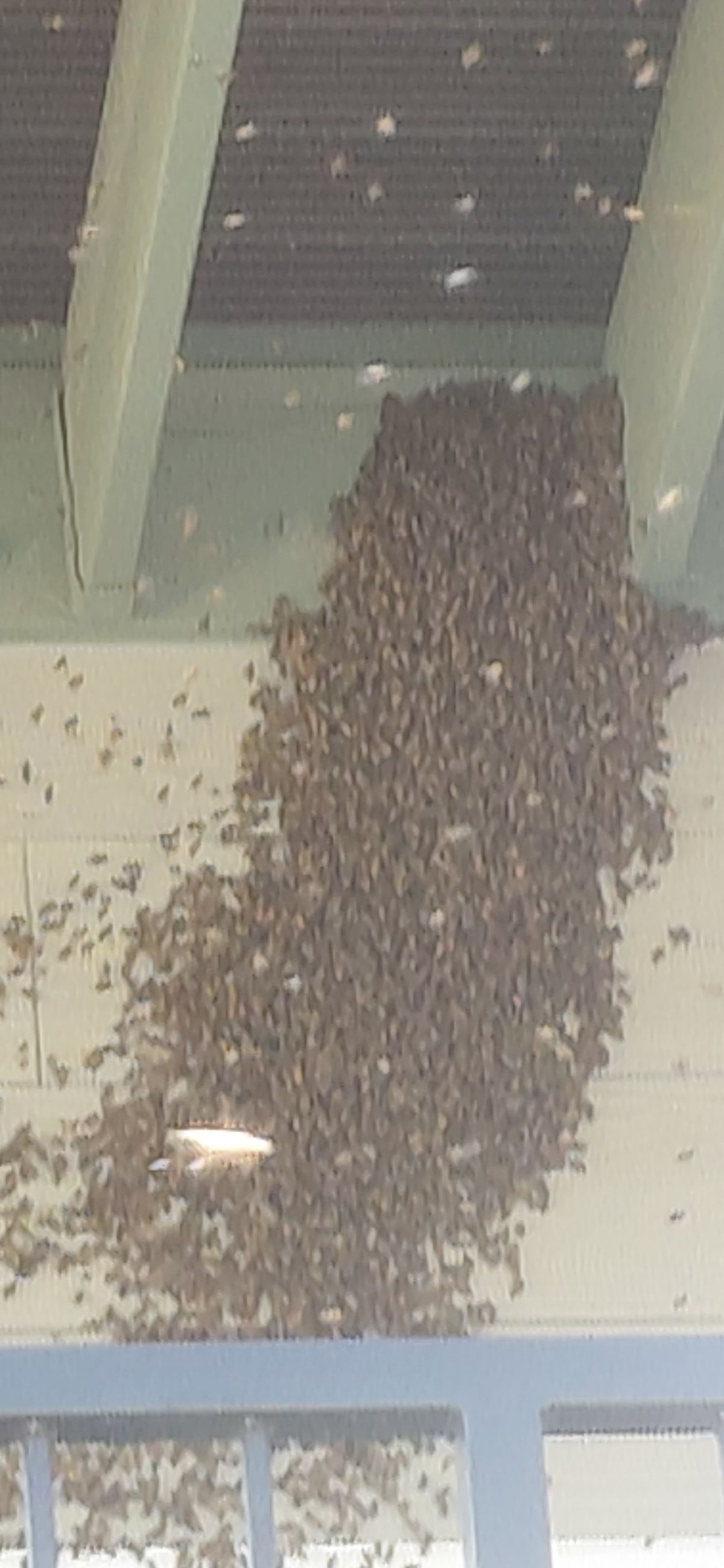
A Beekeeper's Guide to Swarm Season in California
California's Golden Opportunity: Harnessing the Spring Swarm For beekeepers across California, the arrival of spring signals more than just almond blossoms and wildflo...
Read More...May 18, 2026
Home > Blog > 5 Things Every Australian Homeowner Should Know About Bee Swarm Season (Before Spring Arrives)
January 17, 2026

Unlike the Northern Hemisphere's spring swarming, Australian bees follow Australia's seasons. Peak swarm activity begins in September as temperatures warm and continues through December when colonies are strongest and food sources are abundant.
Regional timing varies significantly:
Why timing matters: Early preparation means you know who to call before you need help. The sooner a beekeeper can assess the situation, the better for both the bees and your peace of mind.
Regional weather patterns: La Niña and El Niño cycles affect flowering patterns and nectar availability, which directly influences swarm timing. Wet springs typically mean later but more intense swarming activity.
Swarmed partners with Amateur Beekeepers Australia and their affiliated local clubs across the continent to ensure there's always a skilled beekeeper ready to help in your area.
How the network operates:
State and territory coverage:
What this means for you: When you report through Swarmed, you're not just reaching one beekeeper - you're accessing an entire network of skilled volunteers committed to helping their communities.
Understanding beekeepers' cost structure helps set appropriate expectations when you need help with bees on your property.
Usually provided at no cost:
May involve fees ($200-500+):
Australia hosts both introduced European honey bees and over 1,600 species of native bees. Understanding the difference helps determine the appropriate response.
European honey bees (what Swarmed beekeepers handle):
Australian native bees:
Why this matters: European honey bee swarms need beekeeper assistance for survival and agricultural benefit. Native bee activity usually doesn't require intervention and should be left undisturbed. When uncertain: Contact Swarmed anyway. Our beekeepers can identify species and recommend appropriate action, whether you're dealing with honey bees, native bees, or wasps.
The most successful swarm situations are those handled quickly.
When a swarm forms:
Q: When exactly does swarm season start in my area? A: It varies by region. Queensland starts in August, most southern states begin in September-October, and Tasmania's season peaks in November-January. Weather patterns affect exact timing each year. Q: How do I find my local Amateur Beekeepers Australia club? A: Visit the Amateur Beekeepers Australia website or report the bees via Swarmed. Q: Are Australian honey bee swarms more aggressive than overseas? A: No, European honey bees behave similarly worldwide. Australian swarms are typically gentle because they have no established hive to defend. Q: What if the beekeeper can't come immediately? A: Most Swarmed-connected beekeepers respond within 15 minutes to assess timing. They'll advise you on keeping the area safe while arranging collection during optimal conditions. Q: How can I tell the difference between honey bees and native bees? A: Honey bee swarms form large, obvious clusters of thousands of bees. Native bees rarely form visible swarms and are usually smaller. When uncertain, contact Swarmed for identification help. Q: What should I do if bees enter my roof space? A: Contact a beekeeper immediately. Established colonies in roof spaces require specialized removal and may involve fees, but early intervention prevents larger problems. Q: Can I prevent swarms from choosing my property? A: Sealing potential nesting sites like roof cavities and removing old comb helps, but swarms may still choose trees or temporary sites. Preparation for appropriate response is more practical than complete prevention.
Mateo Kaiser is the founder of Swarmed, a global bee swarm reporting and rescue network that has helped relocate over 150 million honey bees. Mateo is a Master Beekeeper focused on bee behavior and conservation technology. Swarmed partners with Amateur Beekeepers Australia and has over 9,000 beekeepers worldwide to help the public safely and ethically relocate honey bee colonies. Swarmed is a satellite partner of the California Master Beekeeper Program at UC Davis.
California's Golden Opportunity: Harnessing the Spring Swarm For beekeepers across California, the arrival of spring signals more than just almond blossoms and wildflo...
Read More...May 18, 2026
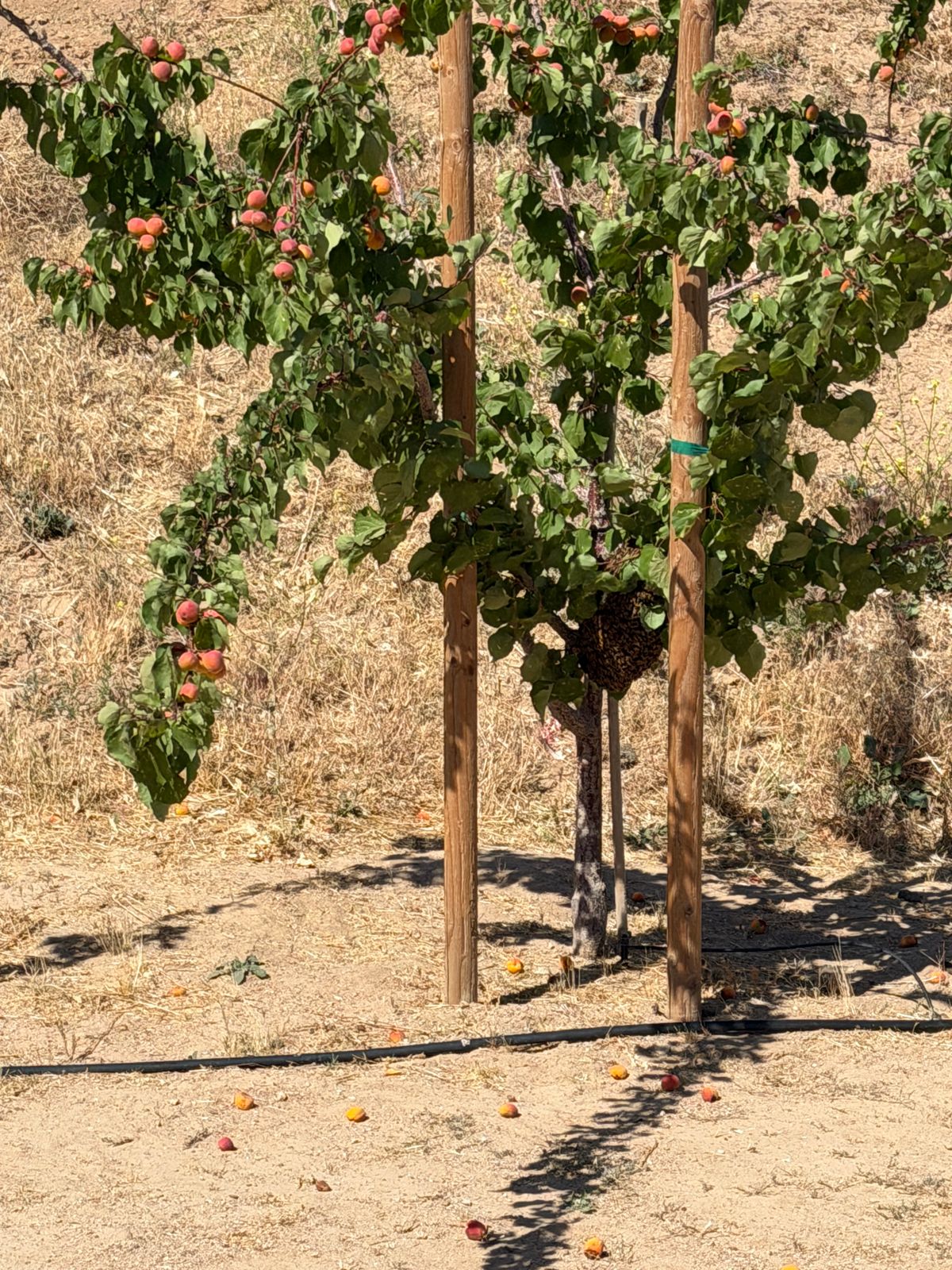
A Beekeeper's Guide to Swarm Collection in Idaho Spring has arrived in the Gem State, and with it, the unmistakable hum of honey bee swarms. For beekeepers, this is a...
Read More...May 18, 2026