
A Beekeeper's Guide to Swarm Season in California
California's Golden Opportunity: Harnessing the Spring Swarm For beekeepers across California, the arrival of spring signals more than just almond blossoms and wildflo...
Read More...May 18, 2026
Home > Blog > Are Bee Swarms Dangerous? Safety Guide for Families
January 17, 2026

When a bee swarm appears in your yard, the first concern for any parent or pet owner is simple: "Is my family safe?" Here's the straightforward answer based on decades of beekeeping science and real-world experience: bee swarms are typically the gentlest bees you'll ever encounter. Understanding why this is true—and knowing what to watch for—helps you protect your family while making informed decisions about when professional help is needed versus when careful observation is perfectly safe.
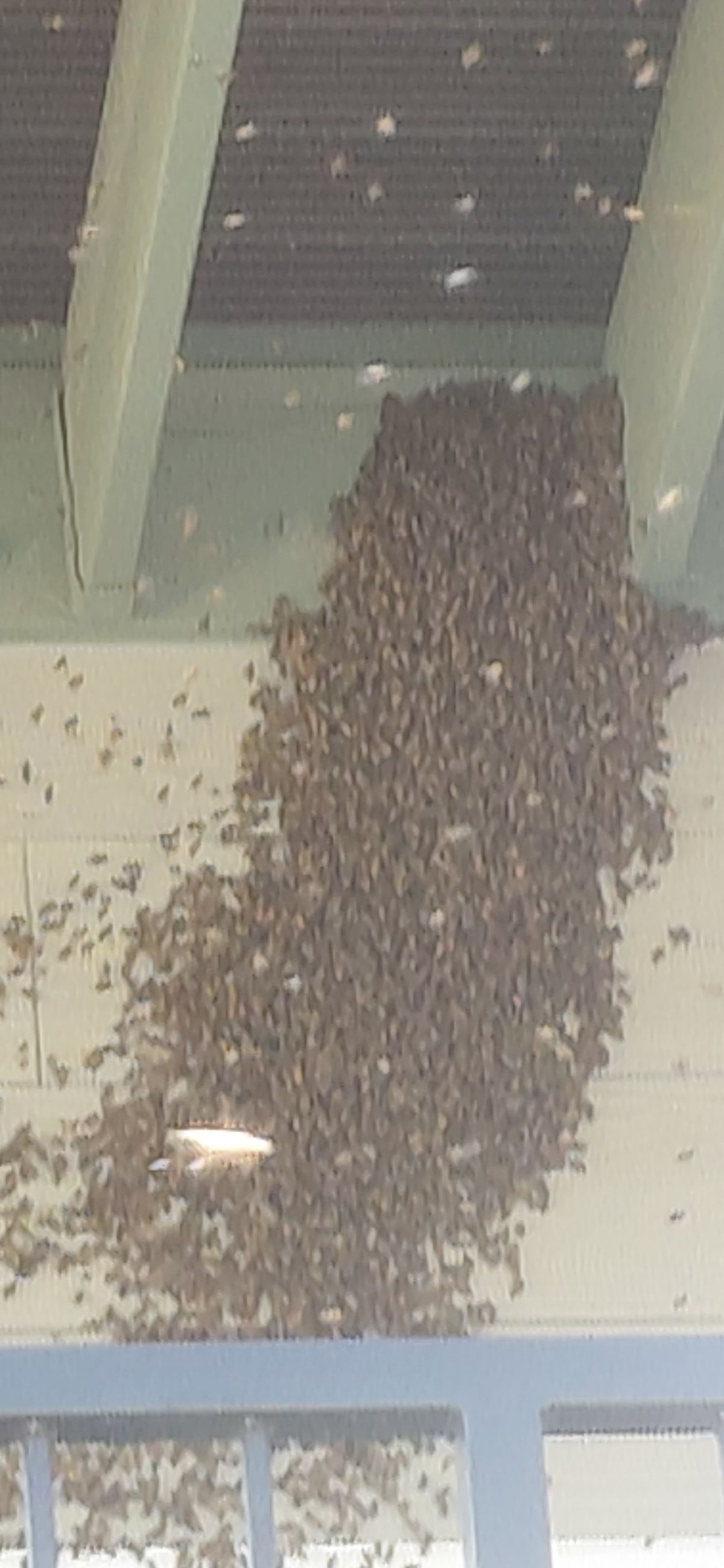
Bee swarms occur when a colony splits to establish a new home. During this process, the bees undergo significant behavioral changes that actually make them less likely to sting:
No home to defend means swarms lack the primary trigger for defensive behavior. Unlike bees protecting an established hive, swarming bees have no stored honey, developing larvae, or permanent structure to guard.
Full honey stomachs prepare the bees for their journey to find a new location. This physical state makes it difficult for bees to bend their abdomens to sting, and the energy reserves keep them focused on finding suitable housing rather than defensive actions.
Temporary clustering means most swarms remain in one location for 24-72 hours while scout bees search for permanent housing. During this time, the cluster typically remains calm and focused on group cohesion rather than territorial defense.
Recognizing normal swarm behavior helps distinguish between situations requiring immediate action versus those where careful distance and observation are appropriate:
Peaceful clustering appears as a large mass of bees hanging together, usually in tree branches or on structures. The bees move slowly and deliberately, focusing on staying with the group rather than exploring the surroundings.
Minimal flying activity occurs around the cluster, with most movement consisting of bees settling into the group rather than aggressive patrol behavior. You might see some bees coming and going, but the majority remain clustered together.
Calm response to nearby activity characterizes most swarms. While you shouldn't approach closely, swarms typically ignore normal yard activity, nearby vehicles, and even moderate noise levels.
The key to safety around bee swarms is understanding appropriate distances and recognizing the difference between normal and concerning behavior.
Twenty feet minimum provides a comfortable buffer for observation while staying well clear of normal bee flight patterns around the swarm. At this distance, you can monitor the situation without triggering defensive responses.
Indoor observation through windows offers the safest viewing option for young children. Kids are naturally curious, and window viewing satisfies their interest while maintaining complete safety.
Pet management requires keeping dogs and cats indoors or on leash away from the swarm area. Pets don't understand bee behavior and may inadvertently disturb the cluster.
Simple rules work best: "See bees clustered together? We watch from inside or far away." Children understand concrete guidelines better than complex explanations about bee behavior.
Satisfy curiosity safely by explaining that the bees are "looking for a new home" and will likely move on soon. Most kids find this explanation reassuring and understandable.
No running or sudden movements near any bee activity. While swarms are generally calm, sudden motions can trigger defensive responses from individual bees.
While most swarm situations remain calm, certain behaviors indicate the need for immediate family protection and professional assessment:
Aggressive flight patterns with bees actively pursuing people or pets at distances greater than 10-15 feet signal potential defensive behavior that requires immediate indoor retreat.
Multiple stinging incidents without direct disturbance suggest the cluster may be defending territory aggressively, which is unusual for typical swarms but can occur.
Established hive activity with bees consistently entering and exiting a specific location (wall void, roof area, etc.) indicates a colony that has moved beyond the temporary swarm phase and may exhibit more defensive behavior.
If anyone in your family has known bee allergies, swarm situations require additional precautions, regardless of typical swarm behavior:
Emergency action plan should already be in place, including epinephrine auto-injector availability and emergency contact protocols. Swarm presence doesn't change these fundamentals but adds an environmental factor to consider.
Professional assessment priority becomes higher when allergic family members are present. While most swarms pose minimal risk, removing the uncertainty benefits everyone's peace of mind.
Indoor retreat strategy provides the simplest risk management approach. Keep allergic family members inside while arranging professional relocation services.
Dogs and cats respond differently to bee presence, requiring tailored safety approaches:
Dogs often investigate new activities in their territory, potentially disturbing swarm clusters. Leash control or indoor time prevents well-meaning dogs from creating problems for themselves and the bees.
Cats typically avoid large groups of insects but may be attracted to individual bees flying near the cluster. Indoor safety eliminates this risk entirely.
Water bowl placement away from swarm areas prevents pets from inadvertently approaching bees during normal drinking routines.
Understanding the difference between situations requiring immediate professional intervention versus those where waiting is safe helps families make appropriate decisions:
Most bee swarms resolve naturally within predictable timeframes, helping families plan appropriate response strategies:
24-48 hours covers the typical duration for swarms to select new housing and relocate naturally. Scout bees need time to evaluate potential locations and guide the group to suitable housing.
Weather impacts timing, with rain or extreme temperatures potentially extending swarm duration. Bees prefer to move during favorable flying conditions.
Professional relocation typically occurs within hours of contact, providing faster resolution than waiting for natural movement while ensuring successful outcomes.
Bee colonies appearing near homes are common and manageable. Local beekeepers in your area can safely relocate colonies, typically responding within 15 minutes. This protects both the bees and ensures your family's safety.
Most swarm situations pose minimal risk to families maintaining appropriate distances and following basic safety protocols. The temporary nature of swarms means even difficult situations typically resolve within days.
However, professional relocation eliminates uncertainty while supporting local beekeeping communities. In our years connecting communities with beekeepers, most families find that quick professional assessment provides peace of mind and faster resolution than waiting and worrying.
Need immediate guidance for a swarm situation? Report the colony at beeswarmed.org (opens in a new tab) to connect with experienced beekeepers who can assess your specific situation and provide safe relocation if needed. Most beekeepers respond within 15 minutes and can advise you on immediate safety measures while arranging appropriate services.
Your family's safety and the bees' successful relocation both matter; a professional assessment ensures the best outcome for everyone involved.
Swarmed is a satellite partner of the California Master Beekeeper Program at the University of California, Davis, connecting families with over 10,000 experienced beekeepers nationwide for safe, professional bee colony relocation services.
California's Golden Opportunity: Harnessing the Spring Swarm For beekeepers across California, the arrival of spring signals more than just almond blossoms and wildflo...
Read More...May 18, 2026

A Beekeeper's Guide to Swarm Collection in Idaho Spring has arrived in the Gem State, and with it, the unmistakable hum of honey bee swarms. For beekeepers, this is a...
Read More...May 18, 2026