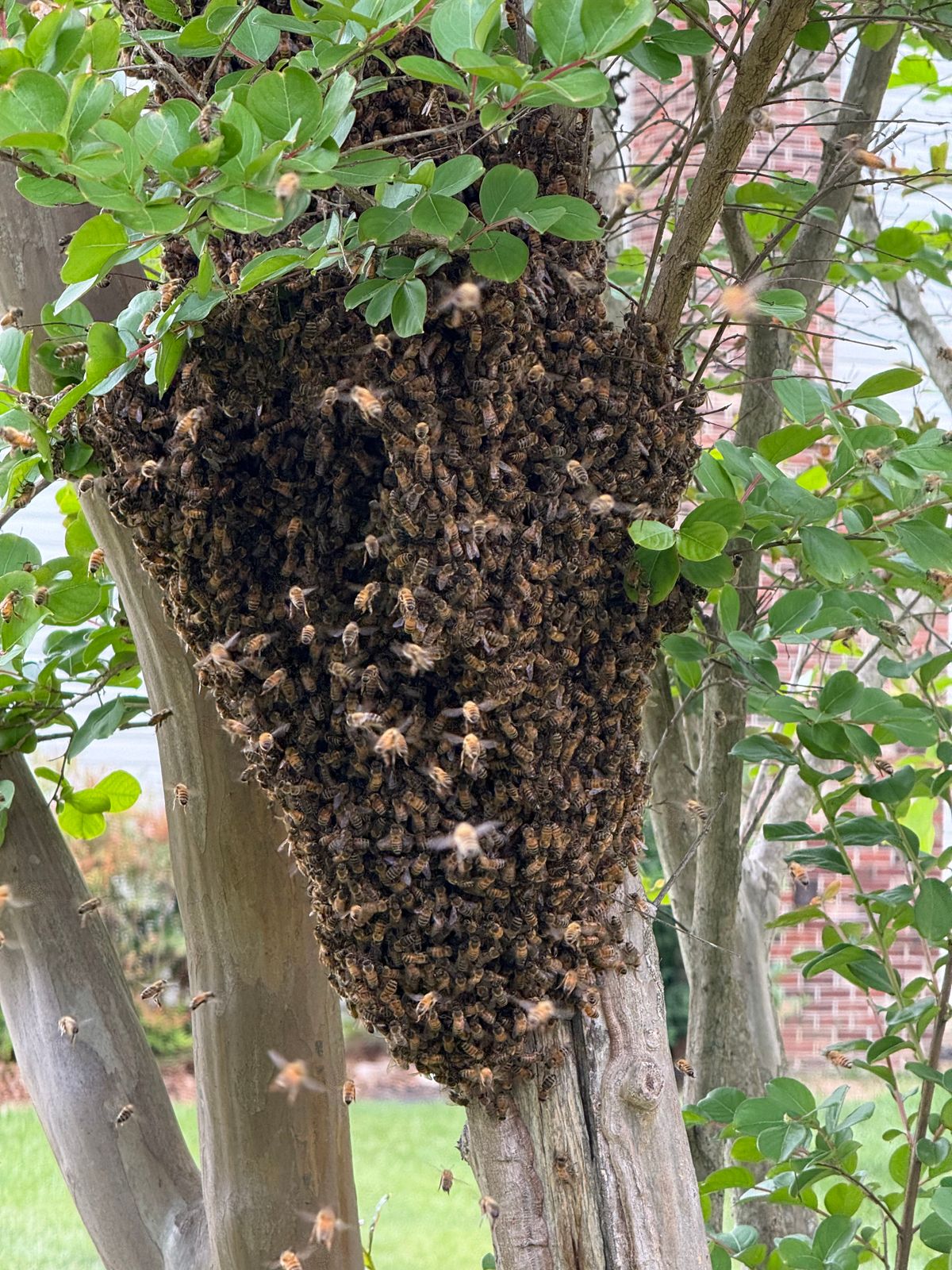
How Many Bees Are in a Swarm? A Guide to Reporting
That Buzzing Cloud in Your Yard: Understanding Honey Bee Swarms It’s a sight that can be both awe inspiring and unsettling: a large, buzzing mass of thousands of honey...
Read More...May 31, 2026
Home > Blog > Press Release - Spring 2026 - Swarmed
February 17, 2026
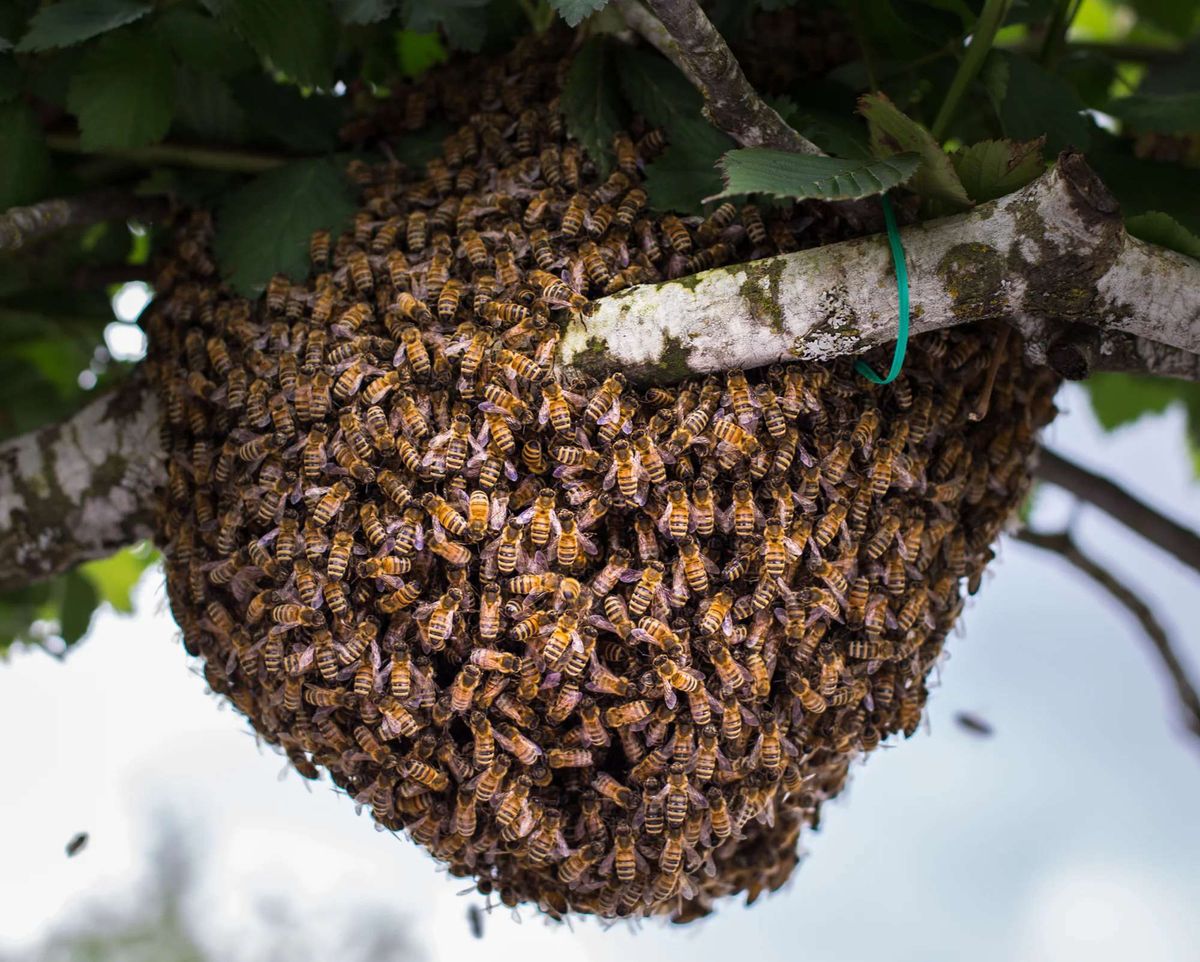
FOR IMMEDIATE RELEASE [b]With Record Bee Losses, Swarmed Prepares Communities for 2026 Swarm Season[/b] [i]Resource connects 10,000 beekeepers as swarm season brings opportunity to protect millions of bees seeking new homes[/i]
Davis, California – Spring, 2026 – As temperatures rise across North America, honey bee colonies are beginning to swarm. Swarmed, the world's largest open-access swarm reporting platform, is alerting its network of nearly 10,000 beekeepers to help protect bee colonies during spring and summer swarming season.
Data from Project Apis m. shows beekeepers lost an average of 62% of their colonies from June 2024 to February 2025, highlighting the urgency of protecting every bee colony that can be saved. When honey bee colonies swarm, they are seeking new homes, but without beekeeper intervention, fewer than 25% survive on their own, according to research by Thomas Seeley of Cornell University.
This spring, Swarmed expects to send over 300,000 swarm alerts to beekeepers nationwide, helping relocate over 350 million bees cumulatively and saving beekeepers an estimated $1,000,000 in colony replacement costs.
[quote]"Bee colonies appearing near homes are common and manageable during swarm season," said Mateo Kaiser, Managing Director of Swarmed and UC Davis California Master Beekeeper. "Local beekeepers can safely relocate colonies, typically within hours of a report, protecting both the community and the bees. This year, we're working on data tools to help beekeepers adapt to changing conditions and help their bees thrive."[/quote]
[b]Swarm Season: What Communities Need to Know[/b]
Swarm season typically runs from March through September across most of North America, with peak activity occurring when daytime temperatures reach 60–80°F (16–28°C) after several days of warming weather. During this time, strong colonies naturally split, with thousands of bees leaving their hive with their queen to establish new homes.
The sooner a beekeeper can assess a situation, the better for both the bees and the public's peace of mind. Swarms are not aggressive but are vulnerable to weather, pesticides, extermination, and unethical removal methods. Communities are encouraged to report any bee situation, even if they are unsure whether it is a swarm, an established colony, or a different insect entirely. Swarmed's image identification tool helps determine what it is and connects the public with appropriate help.
[b]How Swarmed Works[/b] When someone spots bees, they report it at [url=https://beeswarmed.org/report-bee-colony]beeswarmed.org/report-bee-colony[/url]. The platform immediately alerts local beekeepers within the reporter's area, with most reports receiving a response in under 15 minutes. Swarm collection is typically provided at no cost as a community service. Complex established colony extractions, where bees have built comb inside a wall or structure, may involve fees that beekeepers discuss directly with property owners.
Swarmed works with municipal services, emergency dispatch centers, community organizations, and over 50 beekeeping associations across the United States and Australia.
[b]Supporting Pollinator Recovery[/b] With over 60% of managed bee colonies lost this past winter, every relocated swarm contributes directly to pollinator population recovery. Organizations are encouraged to share Swarmed as a referral resource to reduce unnecessary extermination calls and give communities a clear, bee-friendly path forward.
Swarmed is a satellite partner of the California Master Beekeeper Program at the University of California, Davis, and maintains the largest public dataset of honey bee swarm reports ever compiled, with over 4 million data points on bee health and behavior collected to date.
[b]Resources for Communities[/b]
Report a bee swarm or colony: [url=https://beeswarmed.org/report-bee-colony]beeswarmed.org/report-bee-colony[/url]
Information for municipalities: Ready-to-use materials for emergency services and community organizations available at [url=https://beeswarmed.org]beeswarmed.org[/url]
[b]Media Contact:[/b] Mateo Kaiser, Managing Director — [email]mateo@beeswarmed.org[/email] [b]About Swarmed:[/b] Swarmed is a free community platform connecting the public with local beekeepers for safe honey bee colony and swarm rescue. The platform supports pollinator population recovery while giving communities a simple, effective alternative to extermination. Swarmed is a satellite partner of the California Master Beekeeper Program at the University of California, Davis.
That Buzzing Cloud in Your Yard: Understanding Honey Bee Swarms It’s a sight that can be both awe inspiring and unsettling: a large, buzzing mass of thousands of honey...
Read More...May 31, 2026
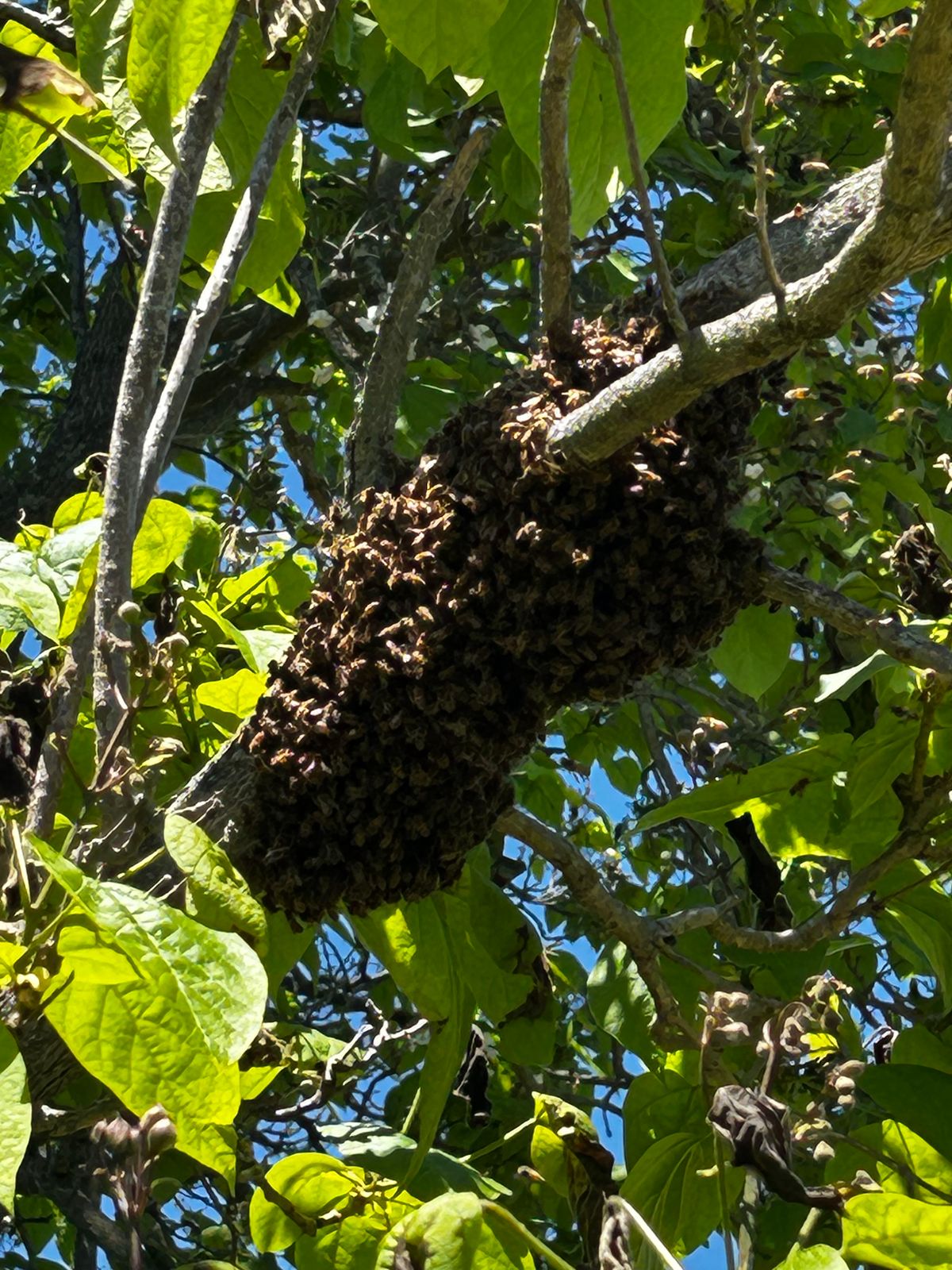
As the days grow longer and flowers begin to bloom, you might notice more honey bees buzzing about. This increased activity sometimes leads to one of nature’s most fas...
Read More...May 31, 2026